Join me on a culinary journey through the Mediterranean, where family meals are more than just food—they’re a celebration of culture, love, and togetherness. With vibrant flavors, fresh ingredients, and a touch of creativity, these Mediterranean recipes are designed to bring everyone to the table, creating lasting memories. Let’s dive into the heart of Mediterranean dining and explore dishes that not only nourish but also inspire joy and connection.
Why You’ll Love These Mediterranean Recipes
Cooking Mediterranean meals is a delightful experience, and here’s why you’ll fall in love with these recipes:
- Rich in Nutrients: The Mediterranean diet emphasizes whole grains, fresh fruits and vegetables, healthy fats, and lean proteins, making every meal a wholesome choice for your family.
- Flavorful and Diverse: With a variety of herbs, spices, and cooking techniques, Mediterranean dishes are bursting with flavor, ensuring that every bite is an adventure.
- Family-Friendly: Each recipe is crafted with kids in mind, featuring familiar ingredients and simple preparation methods that encourage even the pickiest eaters to join in.
- Quick and Easy: Many of these meals can be prepared in under 30 minutes, perfect for busy weeknights when you still want something delicious and nourishing.
- Encourages Togetherness: Sharing meals is a fundamental part of Mediterranean culture. These recipes are designed to be enjoyed together, fostering connection and conversation at the table.
Essential Ingredients for Mediterranean Cooking
Before we jump into the recipes, let’s explore some of the key ingredients that define Mediterranean cooking. These staples will not only enhance the flavors of your dishes but also offer nutritional benefits that your family will love.
- Olive Oil: A cornerstone of Mediterranean cuisine, rich in healthy fats and antioxidants. Use it generously for cooking, dressing salads, or drizzling over finished dishes.
- Fresh Vegetables: Tomatoes, zucchini, bell peppers, and leafy greens are just a few examples. They provide essential vitamins and minerals while adding vibrant colors to your meals.
- Legumes: Chickpeas, lentils, and beans are excellent sources of protein and fiber. Incorporate them into salads, stews, and spreads for added nutrition.
- Whole Grains: Quinoa, bulgur, and whole wheat pasta are fantastic options that offer more nutrients than their refined counterparts, helping to keep your family full and energized.
- Herbs and Spices: Fresh herbs like basil, parsley, and dill, along with spices such as cumin and paprika, elevate the flavors of your dishes and add health benefits.
Pro Tips for Mediterranean Cooking
To help you navigate Mediterranean cooking with ease, here are some expert tips to keep in mind:
- Prep Ahead: Chop vegetables and prepare sauces in advance to save time during the week.
- Incorporate Seasonal Ingredients: Use what’s fresh and in season for the best flavor and nutritional value.
- Experiment with Flavors: Don’t be afraid to adjust spices and herbs to suit your family’s taste preferences.
- Make it a Family Activity: Get your kids involved in the kitchen! Let them help with simple tasks like stirring or assembling ingredients.
- Store Leftovers Wisely: Use airtight containers to store any leftovers for quick meals later in the week.
Common Mistakes to Avoid
Even seasoned cooks can make mistakes! Here are some common pitfalls in Mediterranean cooking and how to avoid them:
- Overcooking Vegetables: Keep them vibrant and crisp by cooking them just until tender.
- Using Low-Quality Olive Oil: Always choose extra virgin olive oil for the best flavor and health benefits.
- Skipping the Herbs: Fresh herbs are essential for authentic Mediterranean flavor; don’t skip them!
- Not Tasting as You Go: Adjust seasoning throughout the cooking process to achieve the perfect flavor balance.
Delicious Variations of Mediterranean Dishes
These recipes are versatile and can be easily adapted based on your family’s preferences. Here are some exciting variations to try:
- Swap Proteins: Use chicken, turkey, or plant-based proteins like tofu in recipes that call for fish or beef.
- Add More Veggies: Sneak in additional vegetables like spinach, eggplant, or artichokes for extra nutrition.
- Make it Spicy: Add a pinch of red pepper flakes or a drizzle of harissa for a kick of heat.
- Change the Grains: Substitute quinoa for rice in pilafs or try farro in salads for a different texture.
Storage and Make-Ahead Instructions
Planning ahead can make weeknight dinners a breeze! Here are some suggestions for storing and preparing Mediterranean meals:
- Chill and Store: Most cooked dishes can be stored in the refrigerator for up to four days. Make sure to cool them completely before sealing in airtight containers.
- Freezing Tips: Many dishes freeze well—soups, stews, and sauces can be frozen for up to three months. Thaw in the refrigerator overnight before reheating.
- Prep Ingredients Ahead: Chop vegetables and marinate proteins a day in advance to cut down on prep time.
Frequently Asked Questions about Mediterranean Cooking
Here are some common questions about Mediterranean recipes that may help you in your cooking journey:
- What are the health benefits of the Mediterranean diet? The Mediterranean diet is associated with heart health, weight management, and reduced risk of chronic diseases.
- Can I make these recipes gluten-free? Yes, simply substitute gluten-containing grains with gluten-free alternatives like quinoa or rice.
- How can I make these dishes more kid-friendly? Adjust spices, and incorporate familiar ingredients to appeal to younger palates.
- What should I serve with these meals? Pair with a simple salad, whole grain bread, or roasted vegetables for a complete meal.
- Are these recipes suitable for meal prep? Absolutely! Many recipes can be made in bulk and stored for later.
- Can I find vegetarian options? Yes, many Mediterranean recipes naturally lend themselves to vegetarian or plant-based diets.
- How do I incorporate more seafood into my diet? Try swapping out meat dishes for seafood options like grilled fish or shrimp pasta.
- What’s the best way to use leftover ingredients? Get creative! Use leftover vegetables in omelets, toss them in salads, or blend into soups.
Nutritional Tips and Dietary Adaptations
When crafting Mediterranean meals, consider these nutritional insights:
- Focus on Healthy Fats: Use olive oil as your primary fat source to promote heart health.
- Increase Fiber Intake: Incorporate whole grains and legumes for added fiber, which is great for digestion.
- Limit Processed Foods: Stick to fresh, whole ingredients to minimize preservatives and unhealthy additives.
Equipment Recommendations for Mediterranean Cooking
Having the right tools can make cooking Mediterranean meals even more enjoyable. Here are some essential kitchen items:
- High-Quality Chef’s Knife: This will make chopping vegetables and herbs a breeze.
- Cast Iron Skillet: Perfect for searing meats and roasting vegetables.
- Food Processor: Ideal for making dips like hummus or pesto.
- Heavy-Bottomed Pot: Great for simmering soups and stews evenly.
- Measuring Cups and Spoons: Essential for following recipes accurately.
Serving Suggestions to Elevate Your Meal
Presentation is key in Mediterranean dining. Here are some tips to serve your dishes beautifully:
- Use Colorful Plates: Bright plates can make your food pop and enhance the dining experience.
- Garnish with Fresh Herbs: A sprinkle of parsley or basil can add a fresh touch to any dish.
- Serve Family-Style: Present dishes in the center of the table, allowing everyone to serve themselves and share.
Conclusion: Celebrate Life with Mediterranean Meals
Cooking and sharing meals is a beautiful way to connect with family and friends. The Mediterranean cuisine offers a treasure trove of recipes that are not only delicious but also celebrate the joy of togetherness. So, gather your loved ones around the table, savor each bite, and create memories that will last a lifetime. Happy cooking!
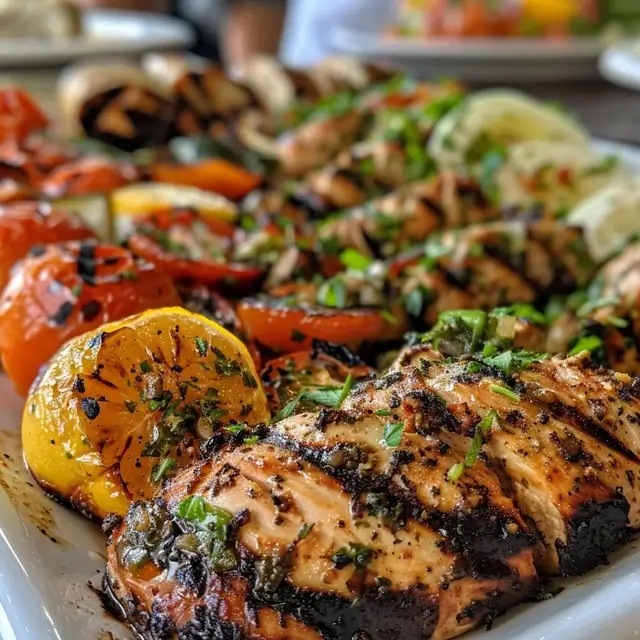
Grilled Lemon Herb Chicken
Ingredients
Main Ingredient
- 4 pieces chicken breasts (boneless, skinless)
- 2 tablespoons olive oil
- 1 tablespoon lemon juice
- 2 cloves garlic (minced)
- 1 teaspoon dried oregano
- 1 teaspoon salt
- 0.5 teaspoon black pepper
Instructions
- Mix olive oil, lemon juice, garlic, oregano, salt, and pepper in a bowl.
- Marinate chicken breasts in the mixture for at least 15 minutes.
- Preheat grill to medium-high heat.
- Grill chicken for 6-8 minutes per side until cooked through.
- Let rest for 5 minutes before serving.