

Indulge in a Taste of Italy: Creamy Chicken Mushroom Fettuccine
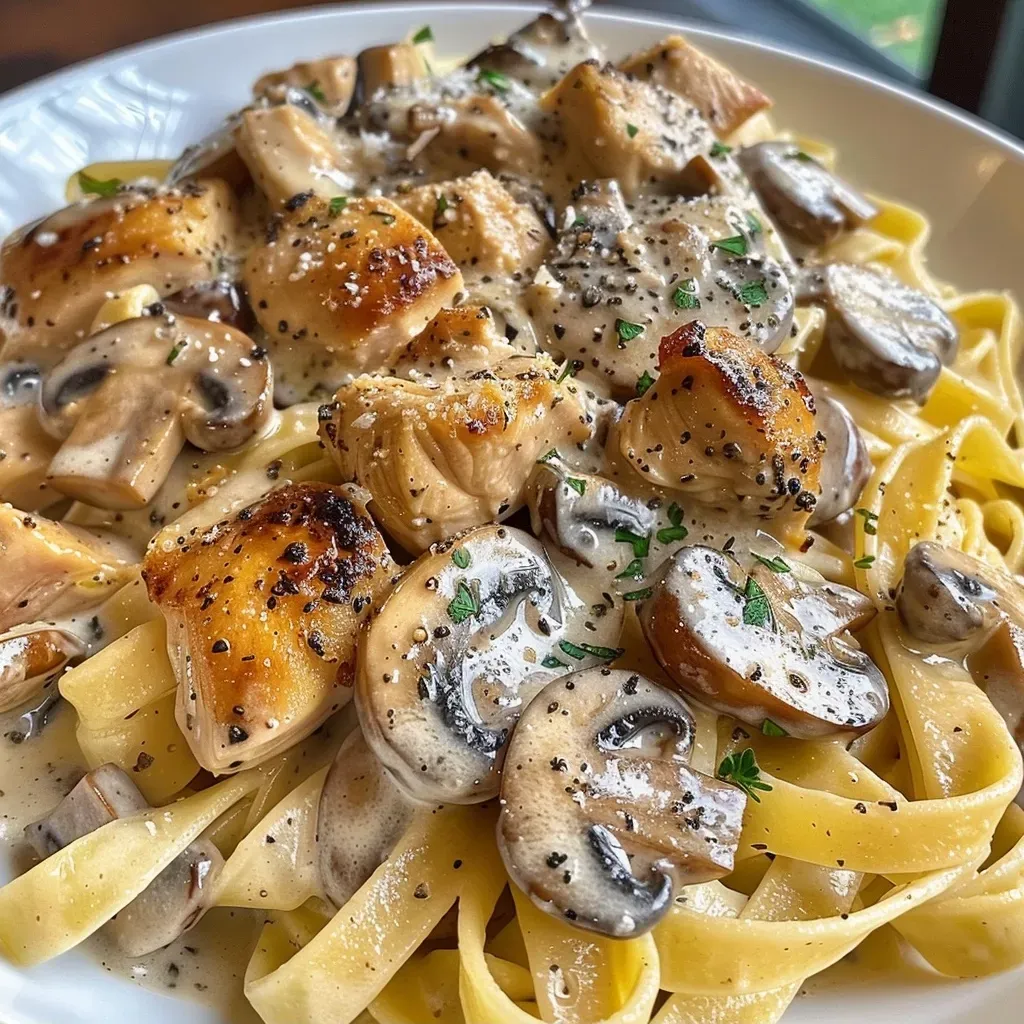
Welcome to a culinary journey that combines the warmth of Italian tradition with the comforting embrace of creamy pasta. This Chicken Mushroom Fettuccine is not just a meal; it’s an experience to be savored. Perfect for cozy family dinners or a delightful gathering with friends, this dish brings together tender chicken, earthy mushrooms, and a luscious cream sauce that whispers comfort. If you’re looking for a way to elevate your dinner game, you’ve come to the right place!
Why You’ll Love This Recipe
Here are five irresistible reasons to make this creamy delight:
- Quick and Easy: With just a handful of ingredients, this recipe comes together in under 30 minutes, making it perfect for busy weeknights.
- Rich and Satisfying: The creamy sauce envelops the fettuccine, creating a comforting dish that feels indulgent without being overly heavy.
- Customizable: With simple variations, you can make this recipe your own by adding seasonal vegetables or substituting proteins.
- Family-Friendly: This chicken mushroom fettuccine is a hit with both kids and adults, making it an ideal choice for family meals.
- Impressive Presentation: With its rich colors and creamy texture, this dish is not only delicious but also visually stunning, perfect for entertaining.
Ingredients Breakdown
Here’s what you’ll need to bring this dish to life:

★ Recommended Kitchen Tool
Digital Meat Thermometer
Make this recipe even easier with a quality Digital Meat Thermometer — a must-have kitchen staple!
- 300g fettuccine: A perfect pasta choice that holds the sauce beautifully.
- 2 chicken breasts, sliced: Lean protein that adds heartiness to the dish.
- 1 cup mushrooms: Choose your favorite variety, such as cremini or button mushrooms, to add depth of flavor.
- 1 cup cream: For that luscious, creamy sauce that binds everything together.
- 2 cloves garlic: Freshly minced garlic enhances the overall aroma and flavor.
- ½ cup parmesan: Freshly grated for the best flavor — it melts beautifully into the sauce.
Feel free to substitute ingredients as needed; for instance, you can use whole wheat fettuccine for a healthier option or almond milk for a lighter sauce.
Step-by-Step Instructions

Let’s get cooking! Here’s how to create your creamy chicken mushroom fettuccine:
- Cook the Fettuccine: In a large pot of boiling salted water, cook the fettuccine according to package instructions until al dente. Drain and set aside.
- Sauté the Chicken: In a large skillet over medium heat, add a splash of olive oil and sauté the sliced chicken until golden and cooked through. Season with salt and pepper.
- Add the Mushrooms and Garlic: Introduce the sliced mushrooms and minced garlic to the skillet. Cook until the mushrooms are tender and fragrant.
- Pour in the Cream: Reduce the heat and pour in the cream. Simmer gently, stirring occasionally, until the sauce thickens slightly.
- Toss with Pasta: Add the cooked fettuccine to the skillet, tossing to coat evenly in the creamy sauce. Mix in the grated parmesan until melted.
- Serve Hot: Plate the fettuccine and finish with a sprinkle of additional parmesan and fresh herbs, if desired.
Pro Tips for Perfection
To ensure your chicken mushroom fettuccine turns out flawlessly every time, keep these expert tips in mind:
- Perfect Pasta Timing: Make sure to cook the fettuccine until al dente to prevent it from becoming mushy once combined with the sauce.
- Sauté with Care: Don’t overcrowd the pan when cooking the chicken and mushrooms. This ensures a beautiful golden color and rich flavor.
- Control the Creaminess: If the sauce is too thick, add a splash of pasta water to loosen it up and help it blend perfectly with the fettuccine.
- Seasoning Matters: Taste the sauce before serving. You might want to adjust the seasoning with more salt, pepper, or even a squeeze of lemon juice for brightness.
- Fresh Ingredients: Use the freshest ingredients possible, especially the garlic and herbs, to elevate the flavor profile.
- Garnish with Green: Fresh herbs like parsley or basil not only add color but also enhance the dish’s flavor.
- Make It Ahead: Prepare the chicken and sauce in advance, then reheat and toss with fresh pasta right before serving.
- Experiment with Proteins: Try adding shrimp or even crispy pancetta for a delightful twist on this classic dish.
Common Mistakes and Troubleshooting
Even the best chefs can run into snags! Here are some common pitfalls and how to avoid them:
- Overcooking the Pasta: Always cook pasta to al dente, as it will continue to cook in the sauce.
- Thick Sauce: If you find your sauce is too thick, simply add a little pasta water or more cream to reach your desired consistency.
- Flavors Falling Flat: If the dish tastes bland, consider adding more garlic, herbs, or a splash of white wine for added depth.
- Chicken Dryness: Avoid overcooking the chicken. It should be juicy and tender, so keep an eye on it while sautéing.
Delicious Variations
Feel free to experiment with these tasty variations:
- Add Spinach: Toss in a few handfuls of baby spinach at the end for a pop of color and nutrition.
- Try Different Mushrooms: Use shiitake, portobello, or oyster mushrooms for a unique flavor twist.
- Add Vegetables: Incorporate seasonal vegetables like zucchini or bell peppers for extra crunch and flavor.
- Make it Vegetarian: Substitute chicken with tofu or chickpeas for a hearty vegetarian option.
Storage and Make-Ahead Instructions
This dish can be made ahead, stored, and reheated with ease:
- To Store: Allow the cooked fettuccine to cool completely, then transfer it to an airtight container. It will keep in the refrigerator for up to 3 days.
- To Freeze: For longer storage, freeze the cooled fettuccine in a freezer-safe container for up to 3 months. Thaw overnight in the refrigerator before reheating.
- Reheating: Gently reheat on the stove over low heat, adding a splash of cream or pasta water to loosen the sauce.
Frequently Asked Questions
Got questions? We’ve got answers!
- Can I use leftover chicken? Absolutely! Shredded or diced leftover chicken works beautifully in this recipe.
- Is alfredo sauce healthy? While creamy sauces can be rich, using lighter cream and portion control can make it a balanced meal.
- How do I add flavor to bland sauce? A dash of seasoning, fresh herbs, or even a splash of lemon juice can brighten up the flavors.
- What kind of mushrooms should I use? Cremini, shiitake, or button mushrooms all work well — choose your favorite!
- Can I make this dish gluten-free? Yes! Substitute regular fettuccine with gluten-free pasta or zucchini noodles.
- How long does this dish keep? When stored properly in the fridge, it lasts about 3 days.
- Can I use half-and-half instead of cream? Yes, it will result in a slightly lighter sauce but still delicious!
- What can I serve with this dish? A simple green salad or crusty bread pairs perfectly with creamy chicken mushroom fettuccine.
Nutritional Tips and Dietary Adaptations
This dish can be tailored to fit various dietary needs:
- Low-Carb Option: Substitute fettuccine with spiralized zucchini or konjac noodles.
- Lighten Up: Use low-fat cream or a mixture of Greek yogurt and milk for a lighter version.
- Vegan Variation: Replace chicken with tofu, use coconut milk instead of cream, and nutritional yeast for a cheesy flavor.
Recommended Equipment
To make your cooking experience seamless, here’s what you’ll need:
- Large Pot: For boiling the fettuccine.
- Skillet: A large non-stick skillet is ideal for sautéing.
- Wooden Spoon: For stirring and mixing ingredients.
- Measuring Cups: To ensure accurate ingredient measurements.
Serving Suggestions
When it comes to serving, presentation is key. Here are some ideas:
- Garnish: Finish with a sprinkle of freshly chopped parsley or basil for a burst of color.
- Pair with Wine: A chilled glass of white wine, like Pinot Grigio, complements the flavors beautifully.
- Serve with Sides: A crisp Caesar salad or garlic bread makes for a complete meal.
In conclusion, this Chicken Mushroom Fettuccine is more than just a dish; it’s a celebration of flavors, a rekindling of memories, and a delightful way to gather around the table. So grab your ingredients and let’s make dinner a feast to remember!
Chicken Mushroom Fettuccine
Ingredients
Pasta
- 300 g fettuccine
- 2 pieces chicken breasts (sliced)
- 1 cup mushrooms
- 1 cup cream
- 2 cloves garlic
- ½ cup parmesan
Instructions
- Cook fettuccine until al dente and set aside.
- Sauté sliced chicken until cooked through.
- Add mushrooms and minced garlic; cook until fragrant.
- Pour in cream and simmer until slightly thickened.
- Toss the sauce with pasta and sprinkle with parmesan.
- Serve hot and enjoy.