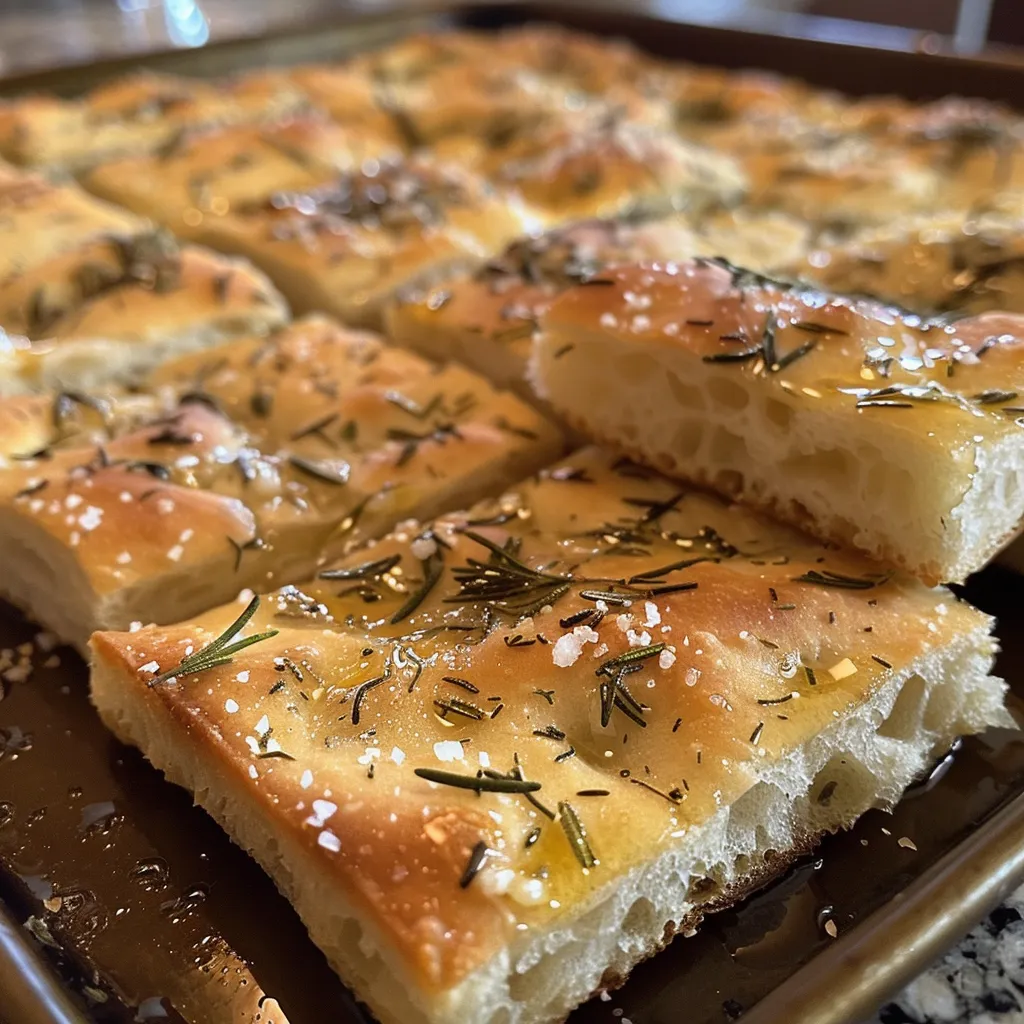
Embrace the Mediterranean: Focaccia Rosemary Bread Awaits
Welcome to a culinary adventure that celebrates the heartwarming traditions of the Mediterranean! Today, we’re diving into the delightful world of Focaccia Rosemary Bread, a recipe that not only fills your kitchen with the warm aromas of freshly baked bread but also invites you to savor every bite. This simple yet extraordinary recipe is perfect for sharing with family and friends, turning any meal into a joyous celebration. So, roll up your sleeves and let’s embark on this flavorful journey!
Why You’ll Love This Recipe
Focaccia Rosemary Bread is a culinary masterpiece that brings together simplicity and flavor. Here are just a few reasons why you’ll fall in love with this recipe:
- Incredible aroma: Baking this bread fills your home with the inviting scent of rosemary and olive oil, making it impossible to resist.
- Versatile delight: Whether served as a side dish, a base for sandwiches, or simply enjoyed with olive oil and balsamic vinegar, this focaccia is a true crowd-pleaser.
- Easy to make: With just a few simple ingredients and straightforward steps, even novice bakers can achieve delicious results.
- Customizable: Feel free to play with toppings like olives, sun-dried tomatoes, or different herbs to make it your own.
- Perfect for gatherings: This bread is ideal for sharing, making it a great addition to gatherings, picnics, or family dinners.
Ingredient Breakdown
Let’s take a closer look at the ingredients that make this focaccia so special. Here’s what you’ll need, along with some handy substitutions:
- All-purpose flour: 2 cups. You can substitute with whole wheat flour for a heartier texture.
- Warm water: 1 cup (around 110°F). This helps activate the yeast. You can also use milk for a richer flavor.
- Olive oil: 2 tablespoons. A high-quality extra virgin olive oil adds depth; you can use melted butter as an alternative.
- Salt: 1 teaspoon. Sea salt enhances flavor; kosher salt works too.
- Sugar: 1 teaspoon. This helps activate the yeast; honey is a great alternative.
- Active dry yeast: 1 packet (2 1/4 teaspoons). Rapid-rise yeast can be used for quicker results.
- Fresh rosemary: 2 tablespoons, chopped. Dried rosemary can be used in a pinch, but fresh is best.
- Sea salt for sprinkling: A finishing touch that adds flavor and texture.
Step-by-Step Instructions
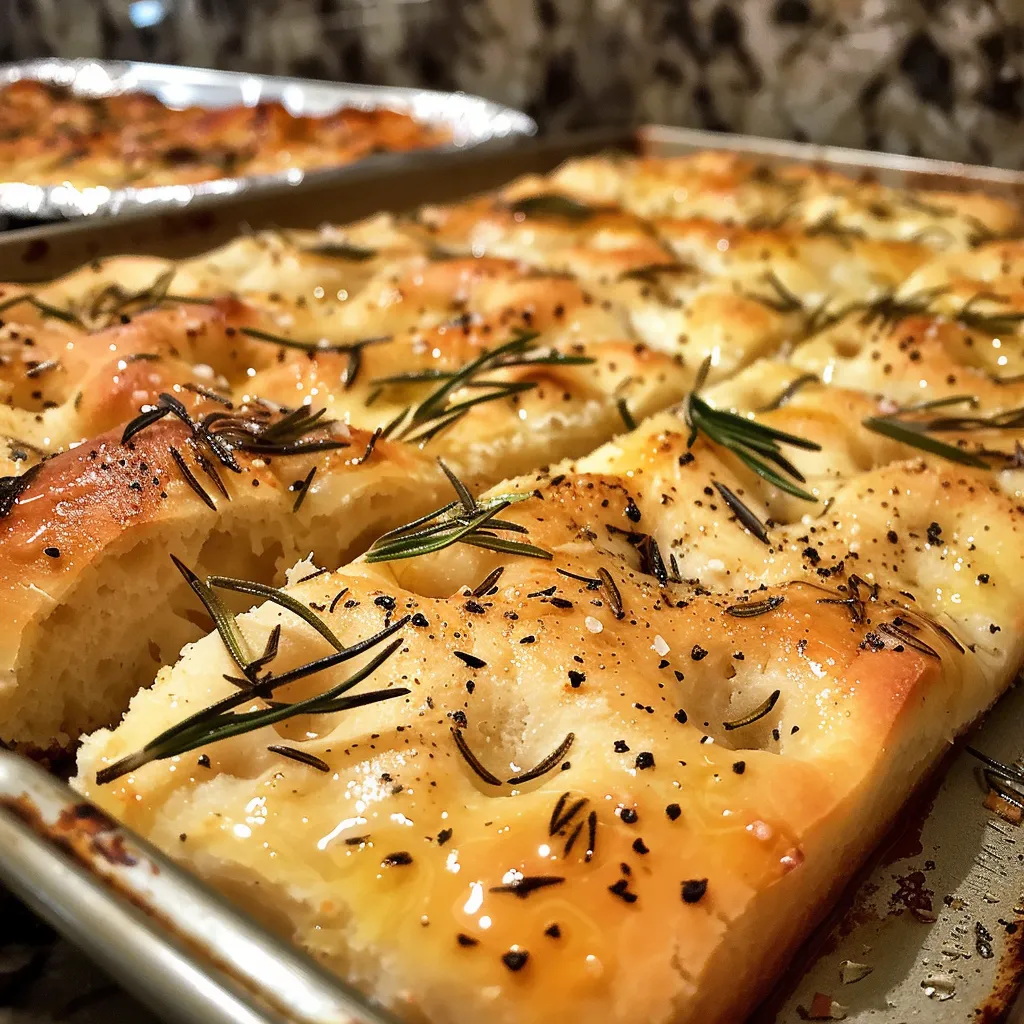
Now that we have our ingredients ready, let’s get baking! Follow these easy steps to create your own Focaccia Rosemary Bread:
-
In a small bowl, combine warm water, sugar, and yeast. Let it sit for about 5 minutes until foamy, signaling that your yeast is active.
-
In a large bowl, mix together flour and salt. Add the yeast mixture and olive oil. Stir until a dough forms.
-
Knead the dough on a floured surface for about 5 minutes until smooth and elastic. This step is crucial for a perfect texture!
-
Place the dough in a greased bowl, cover with a damp cloth, and let rise in a warm place for 1 hour, or until doubled in size.
-
Punch down the dough gently to release the air, then spread it onto a greased baking sheet. Use your fingers to dimple the surface, sprinkle with rosemary and sea salt, and let rise for another 20 minutes.
-
Bake in a preheated oven at 400°F (200°C) for 20-25 minutes or until golden brown. Your kitchen will smell divine!
-
Allow the bread to cool slightly before slicing. Enjoy warm or at room temperature with your favorite dipping oil.
Pro Tips for the Best Focaccia
Want to take your Focaccia Rosemary Bread to the next level? Here are some expert tips:
- Use warm water: Ensure the water is warm but not hot, as too high a temperature can kill the yeast.
- Knead thoroughly: Proper kneading develops gluten, giving the bread its structure and chewy texture.
- Experiment with toppings: Try adding garlic, olives, or even cheese to the dough before baking for added flavor.
- Let it rise: Patience is key! Allowing the dough to rise properly results in a light, airy bread.
- Use a baking stone: For an extra crispy crust, consider using a baking stone or preheated baking sheet.
- Brush with olive oil: Before baking, brushing the dough with olive oil enhances flavor and gives a beautiful finish.
- Keep it covered: While the dough is rising, ensure it’s covered to prevent it from drying out.
- Store properly: If you have leftovers, store them in an airtight container to maintain freshness.
Avoiding Common Mistakes
Here are some common pitfalls to watch out for when making focaccia:
- Not enough kneading: This can result in dense bread, so ensure you knead until smooth.
- Using cold water: Cold water will not activate the yeast effectively, leading to poor rising.
- Skipping the second rise: This step is crucial for achieving the perfect texture, so don’t skip it!
- Not dimpling enough: Dimples allow for even baking and give the focaccia its signature texture.
Delicious Variations to Try
Focaccia is versatile! Here are some creative variations to excite your palate:
- Garlic Herb Focaccia: Add minced garlic and Italian herbs to the dough for a flavorful twist.
- Cheesy Focaccia: Sprinkle shredded cheese on top before baking for a gooey, cheesy delight.
- Olive and Sun-Dried Tomato Focaccia: Incorporate chopped olives and sun-dried tomatoes into the dough for a Mediterranean flair.
- Spiced Focaccia: Experiment with spices like za’atar or cumin for an exotic flavor profile.
Storage and Make-Ahead Instructions
Want to prepare your focaccia in advance? Here’s how to store it:
- Room temperature: Store the focaccia in an airtight container at room temperature for up to 2 days.
- Refrigerator: For longer storage, wrap it tightly in plastic wrap and keep it in the fridge for up to a week.
- Freezing: To freeze, slice the focaccia and wrap it in foil or freezer bags. It can last for up to 3 months!
- Reheating: To revive your focaccia, simply warm it in the oven at 350°F (175°C) for about 10 minutes.
Frequently Asked Questions
Here are some common questions about making Focaccia Rosemary Bread:
- Can I use whole wheat flour? Yes, but it may result in a denser bread. Mixing with all-purpose flour can help.
- What if my dough doesn’t rise? Ensure your yeast is fresh and the water was warm enough. If not, you can try again!
- How can I make it gluten-free? Use a gluten-free flour blend designed for baking.
- Can I add toppings after baking? Yes! You can sprinkle fresh herbs or cheese on top after baking for added flavor.
- Is it necessary to dimple the dough? Yes, dimpling helps create the characteristic texture and allows toppings to adhere.
- How do I know when the focaccia is done? It should be golden brown and sound hollow when tapped on the bottom.
- Can I make this recipe vegan? Absolutely! Just substitute olive oil for a plant-based alternative and skip any dairy toppings.
- What can I serve with focaccia? It pairs beautifully with soups, salads, or as a base for sandwiches.
Nutritional Tips and Dietary Adaptations
Focaccia Rosemary Bread can be a part of a balanced diet. Here are some tips:
- Portion control: Enjoy in moderation to balance your carbohydrate intake.
- Pair with protein: Serve with a protein-rich side like grilled chicken or legumes to create a well-rounded meal.
- Opt for whole grains: Using whole wheat flour increases fiber content, making it more filling.
Equipment Recommendations
To make the process easier, here are some kitchen tools that can help:
- Mixing bowls: A set of mixing bowls in various sizes will be handy for combining ingredients.
- Measuring cups and spoons: Accurate measurements ensure your focaccia turns out just right.
- Baking sheet: A sturdy baking sheet will provide the right surface for baking.
- Kitchen towel: Use a clean towel to cover the dough while it rises.
- Stand mixer (optional): For those who prefer an easier kneading process, a stand mixer with a dough hook can save time.
Serving Suggestions
Focaccia Rosemary Bread shines in many settings. Here are a few serving ideas:
- As an appetizer: Serve warm focaccia with a dish of olive oil and balsamic vinegar for dipping.
- In sandwiches: Use slices to create hearty sandwiches filled with your choice of meats, cheeses, and veggies.
- Alongside soups: Pair it with a warm bowl of soup for a comforting meal.
Conclusion: Your Focaccia Journey Begins!
Now that you have the keys to creating a delightful Focaccia Rosemary Bread, it’s time for you to make it and share it with those you love. Remember, cooking is not just about the food, but about the memories created around the table. So, gather your friends and family, and let the celebration of flavors and togetherness begin. Happy baking!
Focaccia Rosemary Bread
Ingredients
Dough
- 2 cups all-purpose flour
- 1 cup warm water
- 2 tablespoons olive oil
- 1 teaspoon salt
- 1 teaspoon sugar
- 1 packet (2 1/4 teaspoons) active dry yeast active dry yeast
- 2 tablespoons fresh rosemary, chopped
Topping
- Sea salt for sprinkling
Instructions
- Mix warm water, sugar, and yeast; let sit 5 min until foamy.
- Combine flour and salt; add yeast mixture and olive oil. Knead until smooth.
- Let dough rise in a warm place for 1 hour.
- Press dough onto a greased baking sheet, dimple surface, sprinkle rosemary and sea salt, then rise 20 min.
- Bake at 400°F (200°C) for 20-25 min until golden.