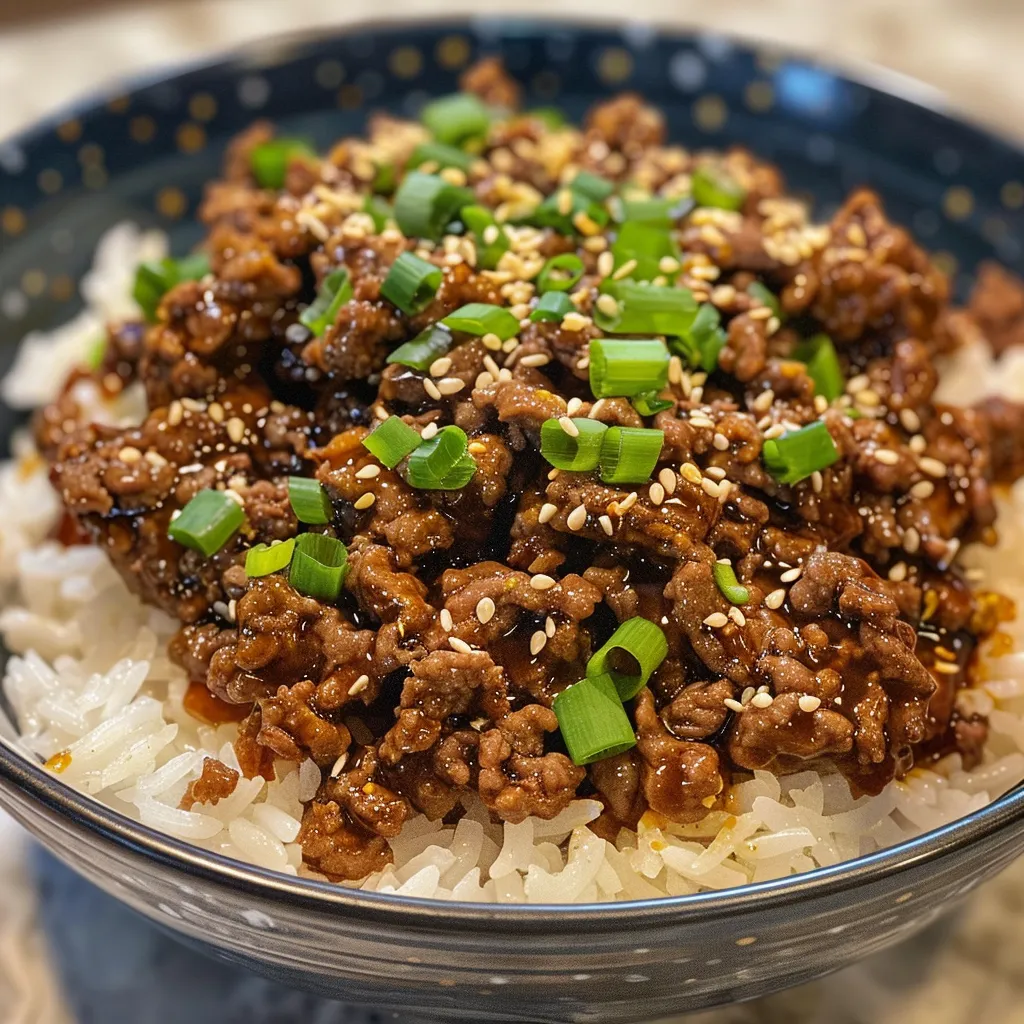
Welcome to the Heart of Korean Cuisine
Ah, the vibrant world of Korean cuisine! If you’re looking for a dish that not only tantalizes your taste buds but also brings warmth and joy to your dining table, you’ve landed in the right spot. These Korean beef bowls are the perfect fusion of simplicity and flavor, making them an ideal choice for busy weeknights or cozy family gatherings. With just a handful of ingredients, you can whip up a meal that feels like a celebration of culture and togetherness. Let’s dive into this delicious journey!
Why You’ll Love This Recipe
What makes these Korean beef bowls a must-try? Here are five compelling reasons:
- Quick and Easy: This recipe takes less than 30 minutes from start to finish, perfect for those hectic days when you still want to enjoy a home-cooked meal.
- Flavor Explosion: The combination of soy sauce, garlic, and ginger creates a flavor profile that dances on your palate, leaving you wanting more.
- Customizable: Whether you prefer beef, turkey, or a vegetarian option, this recipe adapts to your preferences effortlessly.
- Healthy & Wholesome: Packed with fresh veggies and lean protein, these bowls are as nutritious as they are delicious!
- Family-Friendly: Kids and adults alike will love the taste, making this a great choice for family dinners.
Ingredients Breakdown
Here’s what you’ll need to create your Korean beef bowls, along with some possible substitutions for flexibility:
- 1 lb ground beef (80/20): For the best flavor, opt for ground beef with a bit of fat. You can also use ground turkey or chicken for a leaner option.
- 4 cloves garlic, minced: Fresh garlic adds a punch! However, if you’re in a pinch, garlic powder can work, although it won’t have the same freshness.
- 1 tablespoon ginger, minced: Fresh ginger is key for that aromatic touch. You can use ground ginger in a pinch, but the flavor will differ.
- ¼ cup soy sauce: Low-sodium soy sauce is a great choice if you’re watching your salt intake.
- 3 tablespoons brown sugar: This balances the savory notes; you can substitute with honey or maple syrup for a different flavor.
- 2 tablespoons sesame oil: This adds a nutty richness. If you’re looking for a lighter option, you may use olive oil.
- 1 teaspoon red pepper flakes: Adjust the heat to your liking! Omit them for a milder dish or add more for a spicy kick.
- 3 cups cooked rice: White or brown rice are both excellent choices, or you can swap in quinoa for a healthier grain.
- 1 cup broccoli florets: Feel free to mix in other veggies like bell peppers or snap peas for added color and nutrition.
- 2 green onions, chopped: For a fresh garnish that adds crunch.
- Sesame seeds: Optional, but they provide a delightful crunch and visual appeal.
Step-by-Step Instructions
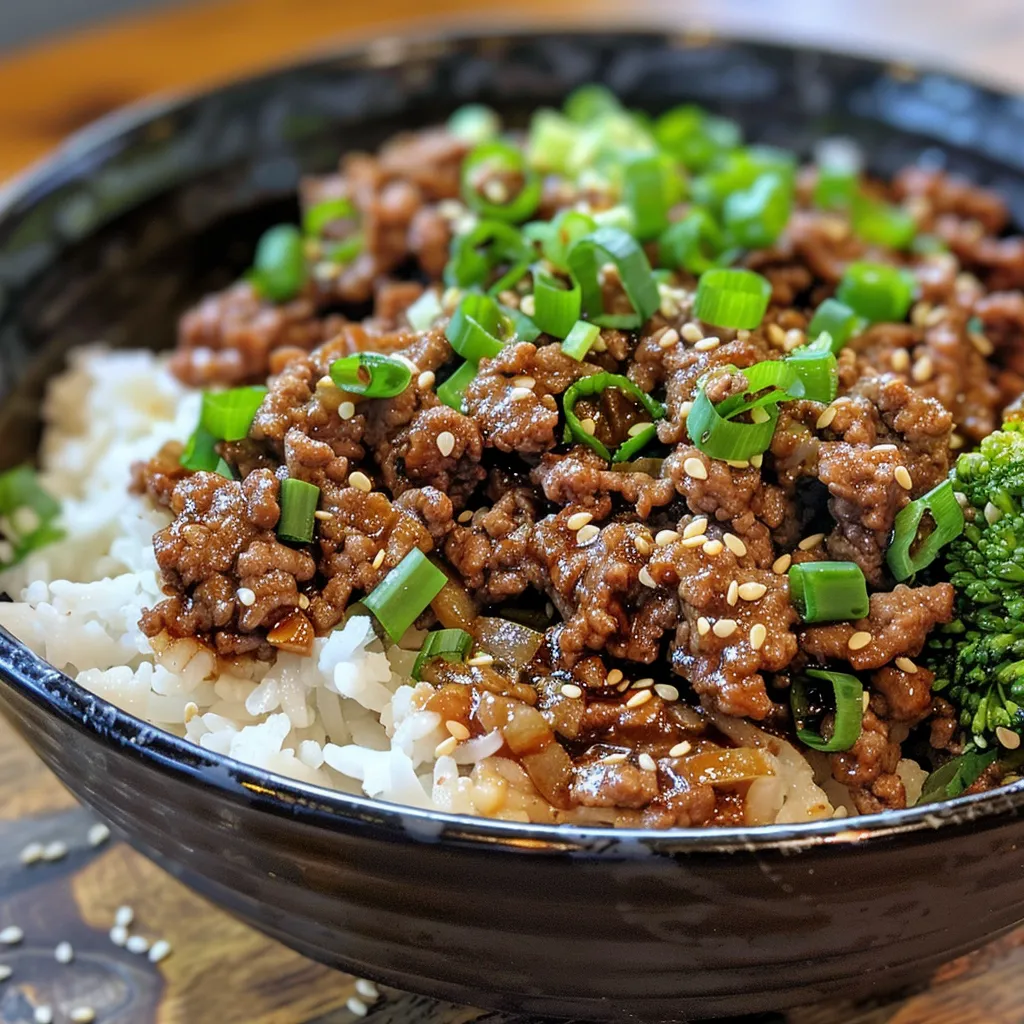
Now, let’s get cooking! Follow these straightforward steps for your Korean beef bowls:
- Start cooking your rice according to package instructions. This will be the base of your bowls.
- In a large skillet over medium-high heat, add the ground beef. Sauté until browned (about 5-7 minutes). Drain any excess grease if needed.
- Lower the heat to medium and stir in the minced garlic and ginger, cooking for an additional 1-2 minutes until fragrant.
- In a small bowl, whisk together the soy sauce, brown sugar, sesame oil, and red pepper flakes. Pour over the beef in the skillet.
- Stir everything together, allowing the beef to absorb the sauce. Let it simmer for about 3-5 minutes.
- Toss in the broccoli florets, stirring briefly until they’re bright green and tender (around 3 minutes).
- Divide the rice among plates or bowls, top with the beef mixture, and garnish with green onions and sesame seeds.
Pro Tips for Perfecting Your Korean Beef Bowls
To elevate your cooking game, consider these expert insights:
- Prep Ahead: Chop your veggies and measure out ingredients in advance. This will streamline your cooking process.
- Don’t Overcook the Beef: Aim for a nice brown color but avoid overcooking to keep the beef tender and juicy.
- Adjust Seasoning: Taste as you go! If you prefer a sweeter dish, add a touch more brown sugar, or if you like it spicy, don’t hesitate to add more red pepper flakes.
- Experiment with Sauces: Try adding a splash of sriracha or gochujang for a different flavor twist.
- Use Leftovers Wisely: This dish is perfect for meal prep. Store leftovers in the fridge and reheat for a quick lunch or dinner.
- Garnish Generously: Don’t skimp on the garnishes — they add a burst of flavor and make your dish visually appealing!
- Try Different Proteins: If you’re feeling adventurous, swap out the beef for tofu or shrimp for a delightful change!
- Don’t Rush the Simmer: Allowing the beef to simmer in the sauce helps to develop deeper flavors that will elevate your bowls.
Common Mistakes and Troubleshooting
Even the best cooks can run into a few hiccups. Here’s how to avoid some common mistakes:
- Too Salty: If your dish turns out too salty, add a bit of sugar to balance it out or increase the volume of rice or veggies to dilute the saltiness.
- Overcooked Veggies: Keep a close eye on your broccoli. You want it tender but still vibrant and crisp.
- Dry Beef: Overcooking can lead to dryness. Remove the beef from heat as soon as it’s browned and simmered in sauce.
- Not Enough Sauce: If you find yourself short on sauce, simply mix a little more soy sauce and sugar together to create a quick fix.
Variations to Try
Want to switch things up? Here are some delicious variations to consider:
- Spicy Korean Beef Bowls: Add more red pepper flakes or a drizzle of sriracha for an extra kick!
- Vegetarian Version: Replace ground beef with crumbled tofu or tempeh for a plant-based delight.
- Quinoa Bowls: Substitute rice with quinoa for a protein-packed alternative that’s gluten-free.
- Korean BBQ Beef Bowls: Add grilled marinated beef strips for a smoky flavor that’s simply irresistible.
Storage and Make-Ahead Instructions
If you’re planning to enjoy these bowls later, here’s how to store them properly:
- Refrigeration: Store leftovers in an airtight container in the refrigerator for up to 3 days.
- Freezing: You can freeze the beef mixture for up to 3 months. Just thaw it overnight in the fridge before reheating.
- Reheating: For best results, reheat on the stovetop over medium heat until warmed through. You can add a splash of water to keep it moist.
Frequently Asked Questions
Here are some common questions about Korean beef bowls that you may find helpful:
- Can I make this recipe gluten-free? Yes, simply use gluten-free soy sauce or tamari instead of regular soy sauce.
- How can I make this dish vegetarian? Substitute the ground beef with crumbled tofu or a mix of your favorite vegetables.
- What can I serve with Korean beef bowls? These bowls are delicious on their own, but you can serve them with kimchi, pickled vegetables, or a side salad for added freshness.
- How spicy are these bowls? The heat level is adjustable! Start with a little red pepper flakes and add more based on your preference.
- Can I prepare this dish ahead of time? Absolutely! You can pre-cook the beef mixture and store it in the fridge for easy reheating later.
- What other vegetables can I add? Feel free to include bell peppers, carrots, or snap peas for a colorful and nutritious boost.
- Can I use a different type of meat? Yes! Ground turkey, chicken, or even pork can be used in place of beef.
- Is it necessary to use sesame oil? While it adds a unique flavor, you can substitute it with olive oil if needed.
Nutrition Tips and Dietary Adaptations
For a healthier meal, consider these tips:
- Whole Grains: Opt for brown rice or quinoa to increase fiber content and nutrients.
- Vegetable Boost: Load your bowls with a variety of colorful veggies for added vitamins and minerals.
- Lean Proteins: Choose leaner cuts of meat or plant-based proteins to reduce saturated fat intake.
- Watch the Sauce: If you’re watching your sodium intake, use low-sodium soy sauce and limit added salt.
Equipment Recommendations
Here are some kitchen essentials that will help you create the perfect Korean beef bowls:
- Non-Stick Skillet: A good non-stick skillet ensures easy cooking and cleanup, making it perfect for browning ground beef.
- Measuring Cups and Spoons: Precision is key in cooking, so having measuring tools will help you get the flavors just right.
- Rice Cooker: If you cook rice often, a rice cooker can save time and ensure perfectly cooked rice every time.
Serving Suggestions
To make your meal even more delightful, consider these serving ideas:
- Garnish with Fresh Herbs: Fresh cilantro or basil can add a lovely aromatic touch.
- Serve with Side Dishes: Pair your bowls with Korean side dishes like kimchi or pickled radish to enhance the experience.
- Offer Different Toppings: Set up a toppings bar with options like sliced jalapeños, avocado, or crushed peanuts for added texture and flavor.
Final Thoughts
There you have it! A comprehensive guide to making Korean beef bowls that are not just a meal but a celebration of flavor and togetherness. The beauty of this dish lies in its adaptability and simplicity, making it a go-to for any occasion. So gather your loved ones, fill your bowls, and enjoy a hearty feast that transports you to the heart of Korean cuisine. Happy cooking!
Savor Incredible Korean Beef Bowls: Quick & Easy Recipe Tips
Ingredients
Meat
- 1 lb ground beef (80/20 for best flavor)
- 4 cloves garlic, minced (fresh garlic adds more punch than powdered)
- 1 tablespoon ginger, minced
- ¼ cup soy sauce (use low-sodium if preferred)
- 3 tablespoons brown sugar
- 2 tablespoons sesame oil
- 1 teaspoon red pepper flakes (adjust to your heat preference)
- 3 cups cooked rice (white or brown)
- 1 cup broccoli florets (or any vegetable you like)
- 2 green onions chopped (for garnish)
- Sesame seeds for garnish (optional but oh-so-delicious!)
Instructions
- Cook rice according to package instructions.
- Brown ground beef in a skillet over medium-high heat, then drain excess grease.
- Add garlic and ginger, cook 1-2 minutes until fragrant.
- Mix soy sauce, brown sugar, sesame oil, and red pepper flakes; pour over beef and simmer 3-5 minutes.
- Add broccoli, cook 3 minutes until tender. Serve beef over rice, garnish with green onions and sesame seeds.