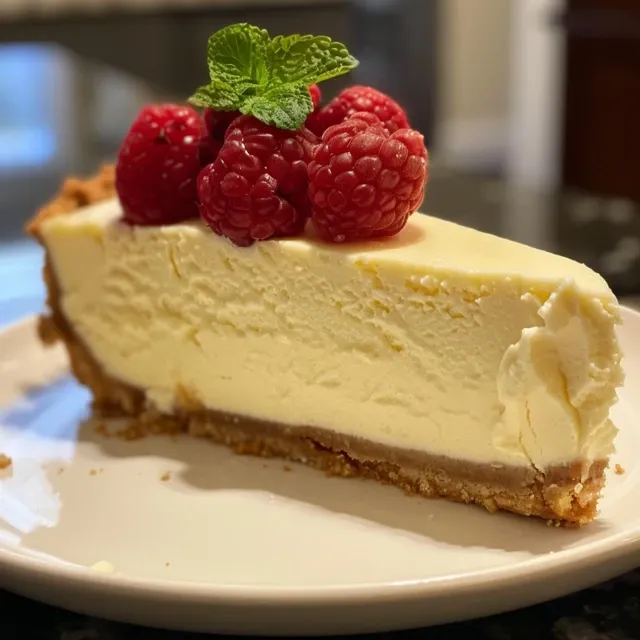
Welcome to the sun-kissed shores of the Mediterranean, where vibrant flavors and sunny days come together in a delightful dessert. Today, we’re diving into a creamy and light Greek Yogurt Cheesecake that’s not only easy to make but also a perfect celebration of culture and culinary joy. With the richness of Greek yogurt and the tang of lemon, this cheesecake is a refreshing treat that embodies the essence of summer. So, grab your apron and join me on this delicious journey!
Why You’ll Love This Recipe
This Greek Yogurt Cheesecake is not just any dessert; it’s a true celebration of Mediterranean flavors. Here are a few reasons why this recipe will win your heart:
- Light and Creamy Texture: Using Greek yogurt gives this cheesecake a wonderfully smooth consistency that’s both satisfying and refreshing.
- Healthier Alternative: With Greek yogurt, you’re getting a protein-packed dessert that’s lower in fat than traditional cheesecakes, making it a guilt-free indulgence.
- Customizable Flavor: The recipe allows for various flavor additions, from citrusy lemon to sweet vanilla, tailoring it to your taste preferences.
- Simple Preparation: This cheesecake is straightforward to prepare, whether you choose to bake it or go the no-bake route, making it perfect for bakers of all skill levels.
- Perfect for Any Occasion: Whether it’s a summer gathering or a cozy family dinner, this cheesecake is a crowd-pleaser that suits any celebration.
Ingredients Breakdown
Let’s explore the ingredients that make this Greek Yogurt Cheesecake sing. Each component contributes to the overall flavor and texture, and I’ve also included some substitutions to suit your needs.
- Greek Yogurt (1 1/2 cups): The star of the show! Provides creaminess and a tangy flavor. You can substitute with thick, high-fat yogurt or even silken tofu for a vegan option.
- Cream Cheese (1/2 cup): Adds richness and a classic cheesecake flavor. For a lighter version, opt for low-fat cream cheese or a dairy-free alternative like cashew cream.
- Salt (1/4 tsp): Just a pinch enhances the sweetness and balances the flavors.
- Pure Vanilla Extract (1 1/2 tsp): A must for depth of flavor. If you’re adventurous, try almond extract for a unique twist.
- Lemon Juice (1/2 tbsp): Brightens the cheesecake’s flavors. Feel free to add more for a zesty kick!
- Maple Syrup or Agave (1/2 cup): A natural sweetener that keeps the cheesecake wholesome. Substitute with honey or your favorite sugar alternative if needed.
- Cornstarch (1 tbsp): Acts as a thickening agent to ensure a perfect texture. You can also use arrowroot or even a gluten-free flour blend if you prefer.
- Crust of Choice: Whether you choose a classic graham cracker crust or a nut-based crust, make it your own! You can even skip the crust for a lighter version.
How to Make Greek Yogurt Cheesecake
Making this Greek Yogurt Cheesecake is as delightful as savoring it! Follow these steps for a flawless dessert:
- Preheat the Oven: Start by preheating your oven to 350°F (175°C).
- Blend Ingredients: In a blender or food processor, combine all the ingredients until completely smooth. This step is crucial for achieving that velvety texture!
- Prepare the Crust: If you’re using a crust, prepare it according to your recipe and place it in a springform pan.
- Pour and Bake: Pour the cheesecake mixture into the prepared crust. Bake for about 50 minutes. The cheesecake should look slightly underdone in the center.
- Cool and Chill: Allow the cheesecake to cool for an hour at room temperature, then transfer it to the refrigerator to set for at least 8 hours. This resting period enhances the flavors, so don’t rush it!
Pro Tips for the Perfect Cheesecake
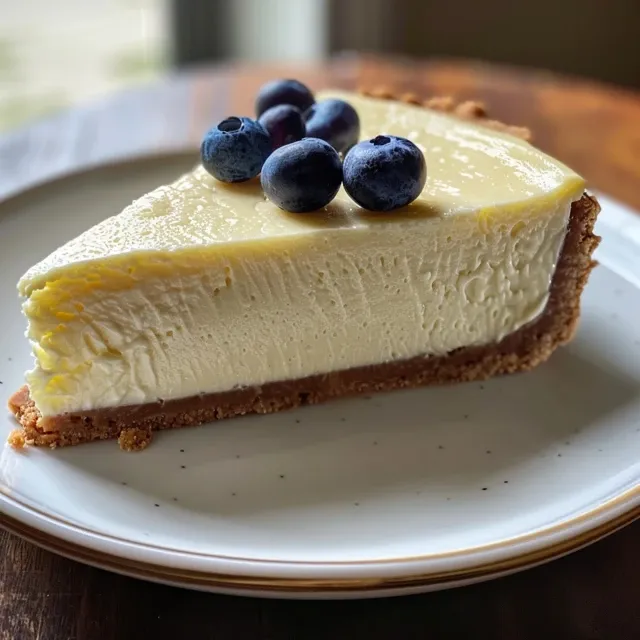
Here are some expert tips to ensure your Greek Yogurt Cheesecake turns out perfectly every time:
- Room Temperature Ingredients: Make sure your cream cheese and yogurt are at room temperature to blend smoothly without lumps.
- Don’t Overmix: Blend until just smooth to avoid incorporating too much air, which can cause cracks while baking.
- Water Bath Method: Consider baking your cheesecake in a water bath to prevent cracks and ensure even cooking.
- Check for Doneness: The cheesecake is done when the edges are set and the center is slightly jiggly. It will firm up as it cools.
- Flavor Variations: Experiment with different flavorings, such as adding cocoa powder for a chocolate twist or fresh fruits for a fruity delight.
- Use Fresh Ingredients: Always use fresh lemon juice and quality vanilla extract for the best flavor.
- Cool Gradually: Avoid sudden temperature changes to prevent cracks. Let it cool slowly at room temperature before refrigerating.
- Chill Overnight: For the best flavor and texture, let it chill overnight before slicing.
Common Mistakes and Troubleshooting
If you encounter any hiccups while making your cheesecake, here are some common mistakes and how to avoid them:
- Cracks on the Surface: This often happens from overmixing or sudden changes in temperature. Ensure gradual cooling and avoid overbeating the batter.
- Too Dense: If your cheesecake is too dense, it could be due to overmixing or using low-fat ingredients. Stick to full-fat versions for the creamiest results.
- Underbaked Cheesecake: If the cheesecake seems too soft after baking, it may need more time. Remember, it will set as it cools, so don’t be afraid to bake a little longer.
- Crust Issues: If your crust is too crumbly, add a bit more melted butter to bind it together. If it’s too soggy, bake it a bit longer before adding the filling.
Variations to Try
Make this Greek Yogurt Cheesecake uniquely yours by trying out these delicious variations:
- Berry Swirl: Add a swirl of mixed berry puree on top before baking for a fruity flavor explosion.
- Chocolate Delight: Incorporate melted dark chocolate into the batter for a rich, decadent treat.
- Spiced Pumpkin: For a fall-inspired version, add pumpkin puree and a blend of cinnamon and nutmeg.
- Citrus Burst: Mix in orange or lime zest for a refreshing citrus kick that brightens every bite.
Storage and Make-Ahead Instructions
Planning ahead? Here’s how to store your cheesecake and make it in advance:
- Refrigeration: Store the cheesecake in an airtight container in the fridge for up to 5 days.
- Freezing: You can freeze slices of cheesecake for up to 3 months. Wrap them tightly in plastic wrap and then in aluminum foil.
- Thawing: When ready to enjoy, thaw the cheesecake in the refrigerator overnight before serving.
Frequently Asked Questions (FAQ)
Got questions? Here are some common queries about Greek Yogurt Cheesecake:
- Can I make this cheesecake without baking? Yes! Simply prepare the filling and pour it into a crust, then chill until set.
- How do I know when the cheesecake is done? The edges should be firm, while the center remains slightly jiggly.
- Can I use non-dairy yogurt? Absolutely! Just ensure it’s thick and unsweetened for the best results.
- What can I serve with cheesecake? Fresh fruit, whipped cream, or a drizzle of chocolate sauce complement the cheesecake beautifully.
- Can I substitute Greek yogurt with sour cream? Yes, sour cream can work as a tangy alternative, but the texture will be different.
- Why is my cheesecake cracking? This can occur from overmixing or rapid temperature changes. Cooling gradually can help.
- How long should I chill the cheesecake? Ideally, chill for at least 8 hours or overnight for the best flavor and texture.
- Can I add flavor extracts? Yes! Feel free to try other extracts like almond or coconut for different flavor profiles.
Nutrition Tips and Dietary Adaptations
This Greek Yogurt Cheesecake is not just delicious; it’s adaptable to fit various dietary needs:
- Low-Sugar Option: Substitute maple syrup with a sugar-free sweetener to reduce sugar content.
- Vegan Version: Replace cream cheese with silken tofu and use a dairy-free yogurt for a delightful vegan treat.
- Gluten-Free Option: Use gluten-free cookies or nuts for the crust to enjoy a gluten-free dessert.
- Protein Boost: Add a scoop of your favorite protein powder to the batter for an extra protein kick.
Equipment Recommendations
To make your cheesecake-making journey easier, here’s a list of essential tools:
- High-Speed Blender or Food Processor: For the smoothest batter.
- Springform Pan: Ideal for easy removal of your cheesecake.
- Mixing Bowls: Various sizes for mixing ingredients and preparing crusts.
- Measuring Cups and Spoons: Precision is key in baking!
- Offset Spatula: Perfect for smoothing the top of your cheesecake.
Serving Suggestions
When it’s time to serve your Greek Yogurt Cheesecake, here are some delightful ideas:
- Fresh Berries: Top with a mix of strawberries, blueberries, and raspberries for a burst of color and flavor.
- Whipped Cream: A dollop of freshly whipped cream adds a creamy finish.
- Citrus Zest: Grate some lemon or lime zest on top for an aromatic touch.
- Dessert Sauces: Drizzle with chocolate or caramel sauce for an indulgent treat.
Conclusion
And there you have it, my friends! A Greek Yogurt Cheesecake that’s not just a dessert but a celebration of life, love, and flavors. Whether you’re enjoying it on a sunny day with friends or sharing it at a family gathering, this cheesecake is sure to bring joy and smiles to the table. So, roll up your sleeves, gather your ingredients, and let’s create something beautiful together. Bon appétit!
Greek Yogurt Cheesecake
Ingredients
Dairy and Tofu
- 1 1/2 cups Greek yogurt
- 1/2 cup cream cheese or soft/firm tofu
- 1/4 tsp salt (just over level)
- 1 1/2 tsp pure vanilla extract
- 1/2 tbsp lemon juice
- 1/2 cup pure maple syrup or agave (or 2/3 cup sugar or xylitol)
- 1 tbsp cornstarch or arrowroot
Crust of choice
Instructions
- Preheat oven to 350°F (175°C).
- Combine all ingredients until smooth using a blender or food processor.
- Pour mixture into prepared crust.
- Bake for 50 minutes, then cool for an hour.
- Refrigerate uncovered for at least 8 hours to set.