Welcome to the World of Whole Wheat Sourdough Sandwich Bread
Ah, the aroma of freshly baked bread wafting through the kitchen! There’s something magical about the way the crust crackles as it cools, and the rich, nutty scent of whole wheat mingles with a hint of sourdough tang. In this guide, you’ll not only learn how to craft the perfect loaf of whole wheat sourdough sandwich bread, but you’ll also discover why this recipe is a celebration of flavor, texture, and tradition. Whether it’s for a hearty breakfast sandwich or a delightful lunch, this bread will elevate any meal. So, roll up your sleeves, gather your ingredients, and let’s dive into the art of baking!
Why You’ll Love This Recipe
This whole wheat sourdough sandwich bread is not just any bread; it’s a labor of love that brings joy to your table. Here are five compelling reasons why you’ll adore this recipe:
- Nutty Flavor: Whole wheat flour contributes a hearty, robust flavor that white bread simply can’t match.
- Health Benefits: Packed with fiber and nutrients, this bread supports a healthy lifestyle while satisfying your cravings.
- Versatile Usage: Perfect for sandwiches, toast, or simply slathered with butter and jam.
- Low-Maintenance Sourdough: With minimal kneading and a straightforward process, you can enjoy homemade sourdough without the fuss.
- Family Tradition: Baking together fosters connection, creating lasting memories as you share freshly baked bread with loved ones.
Ingredients for Your Sourdough Sandwich Bread
Let’s gather the essentials for this delightful sourdough sandwich bread. Here’s what you’ll need:
- 2 ¼ cups (270 grams) whole wheat flour: The base of our bread, providing depth and nutrition.
- 1 ¼ cups (150 grams) bread flour: This gives the loaf structure and a delightful chew.
- 1 ¼ cups (300 grams) warm water (80-90℉): Vital for hydrating the dough and activating the ingredients.
- ⅓ cup (80 grams) active sourdough starter: A bubbly, active starter ensures a great rise. If you don’t have one, fresh discard (less than one week old) works as well.
- 3 tablespoons (42 grams) unsalted butter (melted and cooled): Adds richness and flavor to the bread.
- 1 tablespoon (21 grams) honey: A hint of sweetness that balances the savoriness of whole wheat.
- 3 ¼ teaspoons (9 grams) Diamond Crystal Kosher Salt: Essential for flavor and controlling fermentation.
Substitutions and Variations
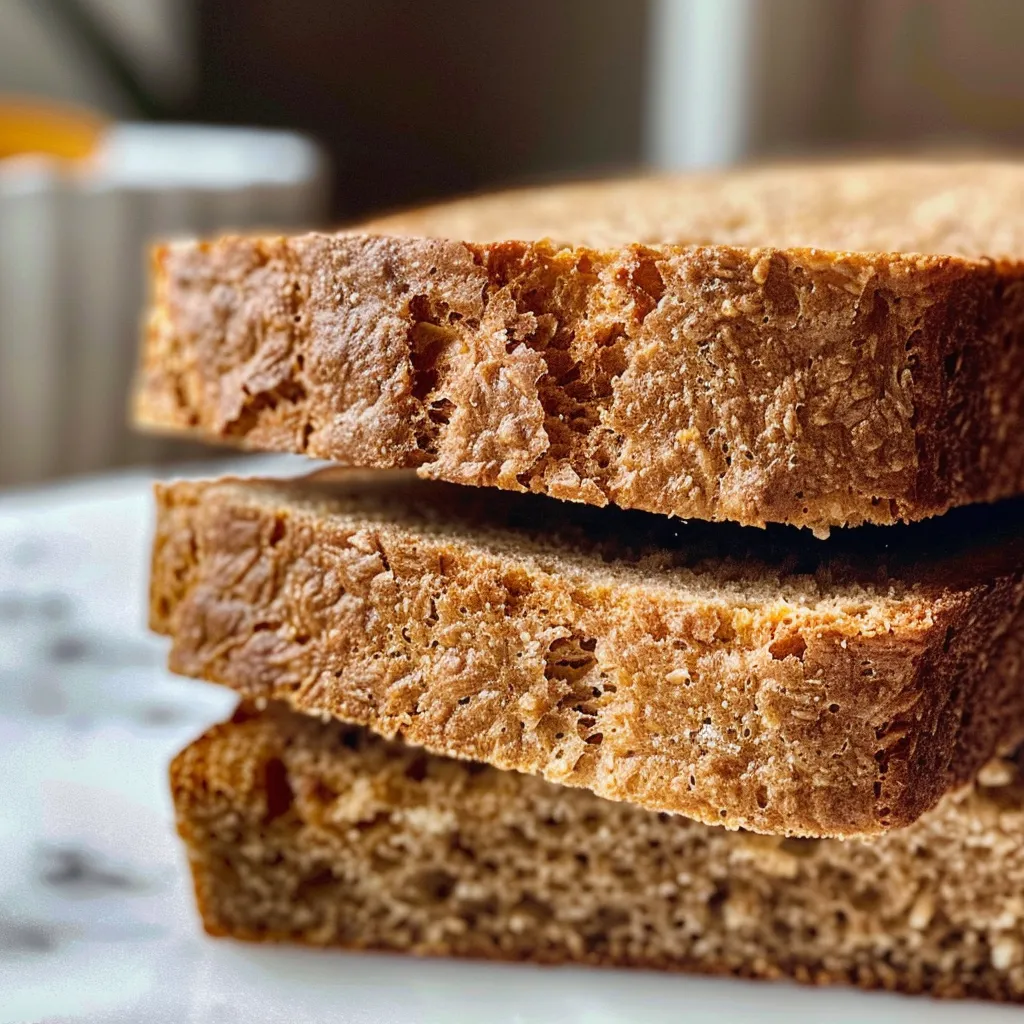
If you’re missing an ingredient or want to try something different, consider these substitutions:
- Whole Wheat Flour: You can substitute with spelt flour for a lighter flavor or rye flour for a denser loaf.
- Bread Flour: All-purpose flour will work, although the texture may be slightly less chewy.
- Unsalted Butter: Feel free to use olive oil or coconut oil for a dairy-free option.
- Honey: Maple syrup or agave nectar can replace honey for a vegan-friendly twist.
How to Make Whole Wheat Sourdough Sandwich Bread
Let’s get our hands doughy! Here’s a step-by-step guide to crafting your own whole wheat sourdough sandwich bread:
- Feed Your Sourdough Starter: About 6-12 hours before starting, feed your sourdough starter to ensure it’s bubbly and active. If your kitchen is around 75°F, this will take about 6 hours; cooler kitchens may require up to 12 hours.
- Mix the Dough: In a large bowl, combine the whole wheat flour, bread flour, and warm water until no dry flour remains. Cover the bowl and let the mixture rest for 1 hour. This process is called autolyse, and it enhances gluten development.
- Add Ingredients: After resting, add the active sourdough starter, melted butter, honey, and salt. Mix until a sticky, cohesive dough forms. Cover the bowl and let it rest for 15 minutes.
- Stretch and Fold: Lightly wet your hands to prevent sticking. Grab one edge of the dough, stretch it upwards, and fold it over itself. Rotate the bowl 90° and repeat. Do this for all four sides, totaling four folds. Gather the dough into a ball and place it seam side down in the bowl. Cover and let it rest for another 15 minutes.
- Bulk Fermentation: Repeat the stretching and folding process every 15 minutes for a total of six times. After the final fold, cover the dough and let it rise until it doubles in size, approximately 4 to 12 hours depending on the temperature of your kitchen.
- Shape the Dough: Once doubled in size, butter a 9″x5″ loaf pan. Turn the dough out onto a floured surface, shape it into a rectangle, and roll it tightly from one short end to the other, sealing the seam.
- Proofing: Place the dough seam side down in the loaf pan. Cover and let it proof at room temperature for 2-4 hours, until puffy and risen nearly to the top of the pan. For a stronger sourdough flavor, refrigerate overnight before proofing at room temperature the next morning.
- Preheat the Oven: About 20 minutes before baking, preheat your oven to 400°F.
- Bake the Bread: Once proofed, place the loaf in the oven and bake for 30-40 minutes, or until golden brown and the internal temperature is at least 190°F.
- Cool and Serve: Remove the bread from the oven and allow it to cool in the pan for 10 minutes. Then, transfer it to a wire rack to cool completely. For the best texture, let it cool for at least 1 hour before slicing.
Pro Tips for the Best Sourdough Bread
Here are some expert insights to elevate your baking game:
- Use Active Starter: Ensure your starter is bubbly and active for the best rise.
- Room Temperature Matters: Ideal fermentation happens at around 75°F; adjust your timing accordingly if your kitchen is cooler or warmer.
- Don’t Rush the Rise: Allow the dough to rise until it has visibly doubled in size for optimal flavor and texture.
- Perfect Your Shaping: Rolling tightly from one short end to another ensures proper structure and rise during baking.
- Monitor Your Oven: Ovens can vary; use an instant-read thermometer to check for doneness.
- Experiment with Flours: Mix different whole grain flours for varied flavors and textures.
- Store Properly: Keep your bread in a paper bag or wrapped in a cloth to maintain crustiness.
- Don’t Slice Too Soon: Waiting at least an hour to slice helps maintain the desired texture and flavor.
Common Mistakes and Troubleshooting
Even seasoned bakers face challenges. Here are common pitfalls and how to avoid them:
- Dense Bread: This may happen if the dough didn’t rise enough. Ensure your starter is active and give it ample time to rise.
- Flat Loaf: If your bread doesn’t rise while baking, it could be due to over-proofing or under-proofing. Keep a close eye on your dough during the proofing stage.
- Gummy Texture: This often results from cutting the bread too soon. Allow the loaf to cool completely before slicing.
- Crust Too Hard: If the crust is overly tough, try baking at a slightly lower temperature or covering it with foil halfway through the bake.
Variations of Your Whole Wheat Sourdough Sandwich Bread
Ready to switch things up? Here are some delicious variations to try:
- Herbed Sourdough: Add dried herbs like rosemary or thyme to the dough for a fragrant twist.
- Seeded Bread: Incorporate sunflower seeds or sesame seeds into the dough for added crunch and nutrition.
- Dried Fruit: Mix in raisins or cranberries for a sweet surprise in your sandwich bread.
- Spiced Sourdough: Introduce spices like cinnamon or nutmeg for a warm flavor profile, perfect for breakfast sandwiches.
Storage and Make-Ahead Instructions
Want to enjoy your bread over time? Here’s how to store and prepare ahead:
- Room Temperature: Keep your bread in a paper bag at room temperature for up to 3 days for optimal freshness.
- Freezing: Slice the bread and freeze in an airtight container for up to 3 months. Thaw slices as needed for quick sandwiches.
- Make-Ahead: Prepare the dough up to the shaping stage, refrigerate overnight, and complete proofing in the morning.
Comprehensive FAQ
Here’s your go-to guide for all things related to whole wheat sourdough sandwich bread:
- Can I use all-purpose flour instead of bread flour? Yes, but the texture will be softer.
- How can I tell if my sourdough starter is active? It should double in size within 4-6 hours after feeding.
- What if my dough is too sticky? Lightly flour your hands and the surface when working with the dough.
- How do I know when my bread is done baking? Use an instant-read thermometer; it should register about 190°F when fully baked.
- Can I add nuts or seeds to the dough? Absolutely! Fold them in during the mixing stage for added texture.
- Is this bread suitable for sandwiches? Yes! Its structure and flavor make it perfect for sandwiches.
- How can I enhance the sour flavor? Allow the dough to ferment longer during the bulk rise.
- Can I bake in a different pan size? Yes, but adjust the baking time accordingly; smaller pans may bake faster.
Nutrition Tips and Dietary Adaptations
This whole wheat sourdough sandwich bread can fit into various dietary needs:
- High Fiber: Whole wheat flour is naturally high in fiber, making it a filling option.
- Gluten-Free Option: Substitute with a gluten-free flour blend and add xanthan gum for structure.
- Low-Sugar: Omit honey if you prefer a less sweet bread.
Equipment Recommendations
Ensure you’re equipped for success with these essential tools:
- Mixing Bowls: Large, sturdy bowls for mixing and resting the dough.
- Measuring Cups and Scale: Accurate measurements are crucial for baking success.
- Baking Pan: A 9″x5″ loaf pan works best for shaping and baking.
- Instant-Read Thermometer: For checking the doneness of your bread.
Serving Suggestions
Now that you have your beautiful loaf, here are some delightful serving suggestions:
- Classic Sandwiches: Use your bread for turkey and avocado or a classic ham and cheese.
- Toast: Toast slices and top with smashed avocado, poached eggs, or your favorite spreads.
- French Toast: Transform stale slices into a delicious breakfast treat with eggs and cinnamon.
Conclusion
Now that you’ve mastered the art of crafting your own whole wheat sourdough sandwich bread, you’re equipped to bring warmth and joy to your kitchen. Each slice tells a story — of tradition, flavor, and the love shared around the table. So gather your friends and family, spread some butter, and enjoy the fruits of your labor. Happy baking, and may your kitchen always be filled with the delightful aroma of freshly baked bread!

Whole Wheat Sourdough Sandwich Bread
Ingredients
Flours
- 270 grams whole wheat flour
- 150 grams bread flour
Water and Starter
- 300 grams warm water (80-90℉) (about 1 ¼ cups)
- 80 grams active sourdough starter (or discard less than one week old)
Add-ins and Seasonings
- 42 grams unsalted butter (melted and cooled)
- 21 grams honey
- 9 grams Diamond Crystal Kosher Salt
Instructions
- Mix flours and water, rest for 1 hour.
- Add starter, butter, honey, and salt; mix until cohesive. Rest for 15 minutes.
- Perform 4 folds every 15 minutes, then let the dough rise until doubled (4-12 hours).
- Shape the dough into a loaf, place in a buttered pan, and proof for 2-4 hours.
- Preheat oven to 400°F, bake for 30-40 minutes until golden and internal temp reaches 190°F. Cool before slicing.