There’s something magical about waking up to the smell of freshly cooked French toast wafting through the house. This French toast recipe is not just a dish; it’s an experience that brings warmth and joy to your mornings. With thick slices of challah or brioche, soaked in a rich custard mixture, you’ll discover how simple ingredients can create a delightful breakfast feast. So, grab a plate and join me in celebrating the joy of cooking and the flavors that bring us together!
Why You’ll Love This Recipe
Here are five irresistible reasons to try this French toast recipe:
- Decadent Texture: The combination of custard-soaked bread and a crispy golden crust creates a perfect balance of textures.
- Rich Flavor: The addition of vanilla and cinnamon elevates the taste, making every bite a delight.
- Quick and Easy: This recipe comes together in no time, perfect for busy mornings or leisurely brunches.
- Customizable: You can easily adapt this recipe with your favorite toppings or variations.
- Impress Your Guests: Serve this delightful dish to family or friends, and watch their faces light up with joy!
Ingredients You’ll Need
Before we dive into the cooking process, let’s gather our ingredients. Here’s what you’ll need:
- 1 loaf Challah or Brioche Bread: Cut into thick slices, preferably day-old for the best texture.
- 2 cups Half-n-Half or Heavy Cream: This adds a rich and creamy base to your custard.
- 4 large Eggs: Essential for binding the mixture together and achieving that classic French toast texture.
- 1/4 cup Sugar: For a touch of sweetness that balances the dish.
- 2 teaspoons Vanilla Extract: Adds a warm, comforting flavor to the custard.
- 1/2 teaspoon Cinnamon: A hint of spice that elevates the overall taste.
- Salted Butter: For frying, ensuring that golden crust and flavor.
How to Make the Best French Toast Recipe
Let’s get cooking! Follow these simple steps for the ultimate French toast experience:
Step 1: Prepare the Bread
Begin by slicing the challah or brioche bread into thick slices, about 3/4 to 1 inch thick. Using day-old bread is preferred, as it holds up better and soaks the custard mixture evenly without falling apart.
Step 2: Mix the Custard
In a large mixing bowl, whisk together the half-n-half or heavy cream, eggs, sugar, vanilla extract, and cinnamon until fully combined. For a smoother custard, consider using an immersion blender to ensure the cinnamon is evenly distributed.
Step 3: Soak the Bread
Dip each slice of bread into the custard mixture, ensuring both sides are fully submerged. Let the bread soak for about 20 seconds per side, allowing it to absorb enough custard to be rich but not soggy. Lift the bread out and let excess custard drip off.
Step 4: Cook Low and Slow
Heat a skillet or frying pan over medium-low heat and add a generous amount of salted butter. Allow the butter to melt completely, creating the perfect golden crust. Place the soaked bread slices in the skillet and cook each side for 3 to 5 minutes, adjusting the heat to low if the exterior browns too quickly.
Step 5: Serve and Enjoy
Once golden brown, remove the French toast from the skillet and serve immediately. Garnish with a sprinkle of powdered sugar, additional salted butter if desired, and a generous drizzle of real maple syrup to elevate every bite!
Pro Tips for Perfect French Toast
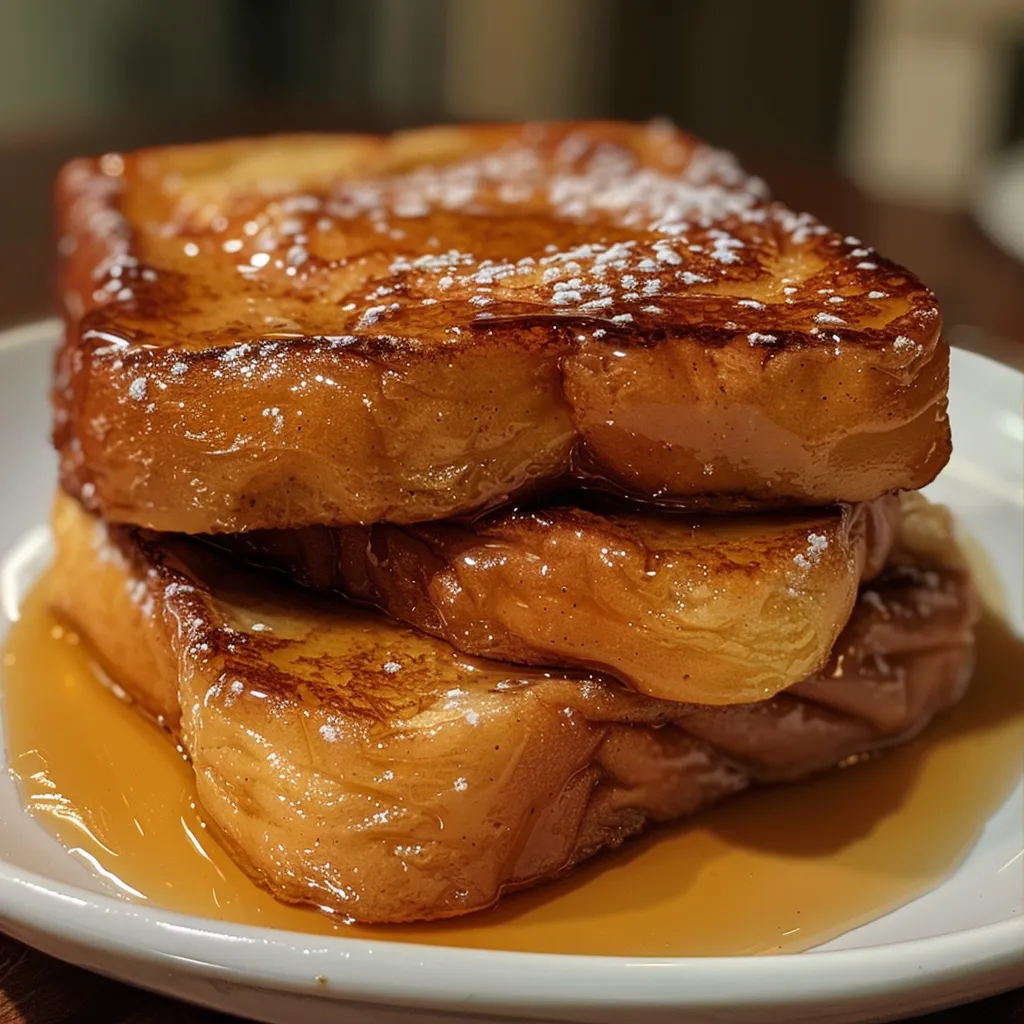
To ensure your French toast turns out perfectly every time, consider these expert insights:
- Use Stale Bread: Day-old bread is key for achieving that perfect texture; fresh bread may become too soggy.
- Blend the Custard: Blending helps to combine all ingredients smoothly, ensuring an even flavor.
- Low Heat is Key: Cooking on low heat allows the custard to cook through without burning the outside.
- Don’t Rush the Soak: Letting the bread soak adequately ensures it absorbs enough custard for flavor and texture.
- Experiment with Flavors: Feel free to add spices like nutmeg or flavors like orange zest for a unique twist!
- Keep it Warm: If you’re making a large batch, keep finished French toast warm in a 200°F (93°C) oven until ready to serve.
- Try Different Breads: While challah and brioche are classic choices, experimenting with sourdough or even croissants can yield delicious results.
- Use Quality Maple Syrup: Opt for real maple syrup rather than imitation for the best flavor.
Common Mistakes and Troubleshooting
Even the best chefs can make mistakes. Here are common pitfalls to avoid:
- Soggy Toast: If your toast is soggy, try reducing the soaking time or using firmer bread.
- Burnt Edges: If the edges of your toast burn, lower the cooking temperature and try cooking longer for a more even result.
- Under-seasoned Custard: Always taste your custard mixture before soaking the bread to ensure it’s flavorful enough.
Delicious Variations on French Toast
Want to get creative? Here are some delicious variations to try:
- Stuffed French Toast: Stuff slices with cream cheese, fruit preserves, or Nutella for an indulgent twist.
- French Toast Casserole: Prepare a large batch in a baking dish for easy serving at brunch.
- Savory French Toast: Skip the sugar and add herbs and cheese for a delightful savory option.
- Fruit Topped French Toast: Top with fresh berries, bananas, or sautéed apples for a fruity delight.
Storage and Make-Ahead Instructions
If you’d like to prepare your French toast in advance, here’s how:
- Make Ahead: You can prepare the custard mixture the night before and store it in the fridge. Simply soak the bread in the morning and cook.
- Storing Leftovers: Store any leftover French toast in an airtight container in the fridge for up to 3 days. Reheat in a toaster or skillet.
- Freezing: You can freeze cooked French toast slices between layers of parchment paper for up to 2 months. Reheat in the toaster or oven.
FAQs About French Toast
Here are some frequently asked questions to enhance your French toast knowledge:
- Can I use gluten-free bread? Absolutely! Gluten-free bread works well in this recipe; just make sure it’s sturdy.
- What’s the best way to reheat French toast? The toaster or oven works best to maintain that crispy texture when reheating.
- Can I add alcohol to the custard? A splash of rum or bourbon can add a delightful depth of flavor.
- How can I make this dairy-free? Substitute the half-n-half with almond milk or coconut milk and use dairy-free butter for frying.
- What toppings can I use? Consider fresh fruit, whipped cream, or even a drizzle of chocolate sauce!
- How do I know when the French toast is done? The toast should be golden brown on the outside and cooked through on the inside.
- Is this recipe suitable for kids? Yes! Kids love French toast, especially with fun toppings and flavors!
- Can I make this recipe vegan? You can substitute eggs with flaxseed meal and use plant-based milk and butter.
Nutrition Tips and Dietary Adaptations
This French toast recipe can be adapted to meet various dietary needs:
- Lower Sugar: Reduce the sugar in the custard for a healthier option.
- Whole Grain Options: Use whole grain bread for added fiber and nutrients.
- Protein Boost: Add protein powder to the custard for a more filling breakfast.
Equipment Recommendations
Here’s what you’ll need to make the best French toast:
- Skillet or Griddle: A non-stick skillet or griddle is ideal for cooking French toast evenly.
- Whisk or Blender: For mixing the custard ingredients thoroughly.
- Spatula: A flexible spatula helps flip the toast without breaking it.
Serving Suggestions
For the ultimate presentation, consider these serving suggestions:
- Garnish with Fresh Mint: A sprig of mint adds a pop of color and freshness.
- Serve with a Fruit Compote: A warm fruit compote can enhance the dish beautifully.
- Pair with Coffee or Tea: A cup of coffee or tea complements the flavors perfectly.
In conclusion, this best French toast recipe is sure to become a staple in your breakfast repertoire. With its delightful flavors, rich textures, and endless customization options, you’ll find yourself making it again and again. Let’s celebrate the joy of cooking and the love of sharing meals with those we cherish. So gather your ingredients, follow the steps, and take a moment to enjoy the cozy atmosphere of a homemade breakfast. Bon appétit!
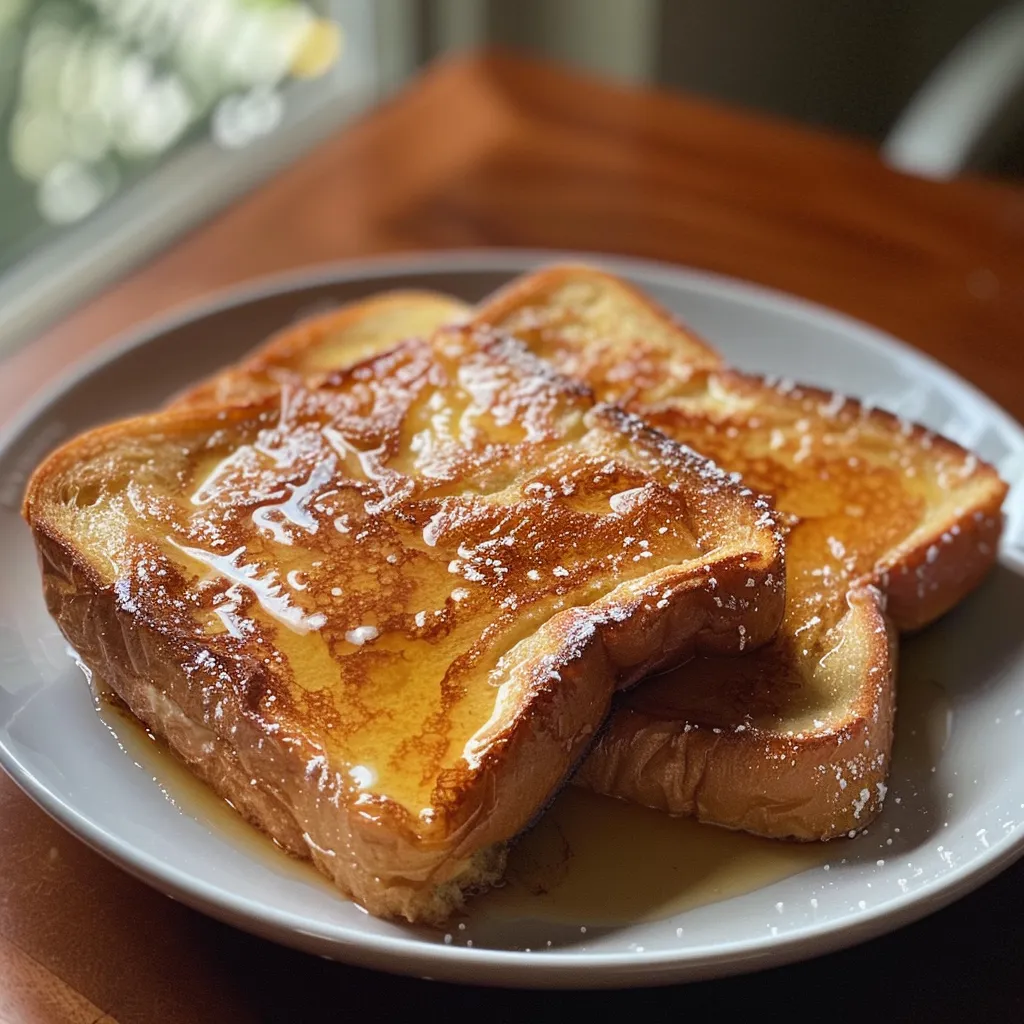
Best French Toast Recipe
Ingredients
Bread
- 2 cups Half-n-Half or Heavy Cream
- 4 large Eggs
- 1/4 cup Sugar
- 2 teaspoons Vanilla Extract
- 1/2 teaspoon Cinnamon
- enough for skillet Salted Butter (for cooking)
Bread
- 1 loaf Challah or Brioche Bread (cut into thick slices, preferably day-old)
Instructions
- Slice bread into 3/4 to 1 inch thick slices and prepare custard mixture.
- Whisk together cream, eggs, sugar, vanilla, and cinnamon until smooth.
- Dip bread slices into custard, soak for 20 seconds per side, then drain excess.
- Melt butter in skillet over medium-low heat. Cook soaked bread 3-5 minutes per side until golden.
- Serve immediately with powdered sugar, butter, and maple syrup.