
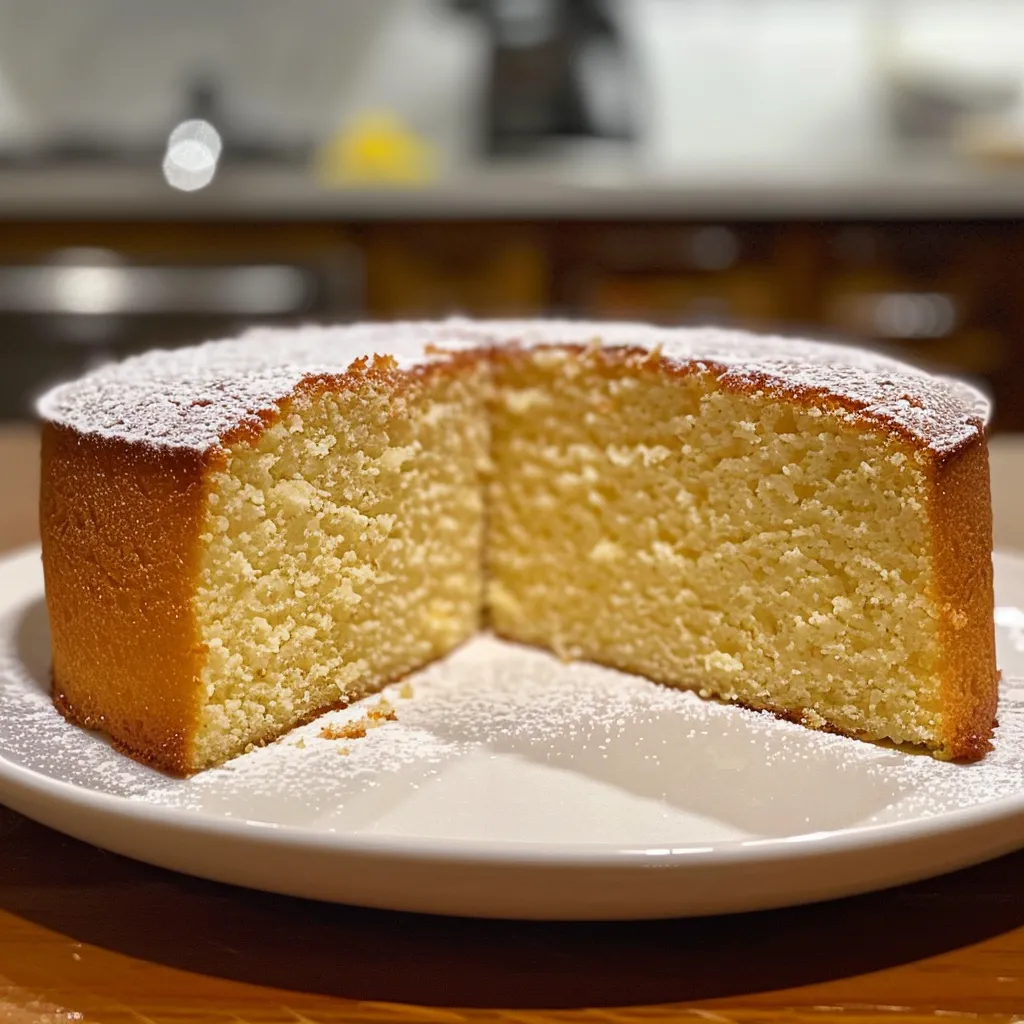
Whisking Joy into Every Slice: The Art of Baking a Vanilla Sponge Cake
Welcome to the delightful world of baking, where every ingredient tells a story and each slice of cake brings together family and friends. Today, we’re diving into the luscious realm of the vanilla sponge cake. This cake is not just a dessert; it’s a celebration of life’s little moments, a canvas for creativity, and a tradition that warms the heart. Let’s embark on this sweet journey together!
Why You’ll Love This Recipe
This recipe for vanilla sponge cake is packed with flavor and simplicity. Here are just a few reasons why you’ll cherish this cake:
- Perfectly Fluffy Texture: Achieve a light and airy cake that rises beautifully, making it a perfect base for any frosting or filling.
- Simple Ingredients: With everyday items you probably already have, this cake is accessible for bakers of all levels.
- Versatile Base: This vanilla sponge cake pairs wonderfully with fruits, creams, and ganaches, allowing you to get creative!
- Quick and Easy: From prep to oven in under an hour, this cake is ideal for spontaneous celebrations.
- Timeless Tradition: Baking this cake connects you to generations past, bringing warmth and nostalgia to your gatherings.
Ingredients You Need
Here’s what you’ll need to whip up this delightful vanilla sponge cake:
- 125 g Maida (Plain Flour): The foundation of your cake. For a whole wheat option, substitute with whole wheat flour.
- 125 g Butter: Adds richness and moisture, making your cake delectable.
- 125 g Powdered Sugar: Sweetens the batter while creating a tender crumb.
- 2 Eggs: Essential for structure and richness; ensure they’re at room temperature for best results.
- 1/2 tsp Baking Powder: Helps the cake rise, creating that fluffy texture we love.
- 1/4 tsp Baking Soda: Works alongside baking powder for a perfect rise.
- 1/3 tsp Vanilla Essence: Infuses your cake with that signature vanilla flavor.
- Salt: Just a pinch enhances all the flavors in your cake.
- 25 g Butter for Greasing: Ensures your cake doesn’t stick to the pan.
- 25 g Icing Sugar: For a light dusting on top, adding a touch of sweetness.
- 1/8 tsp Vanilla Essence for Icing: A hint of vanilla to elevate your icing flavor.
How to Make Vanilla Sponge Cake
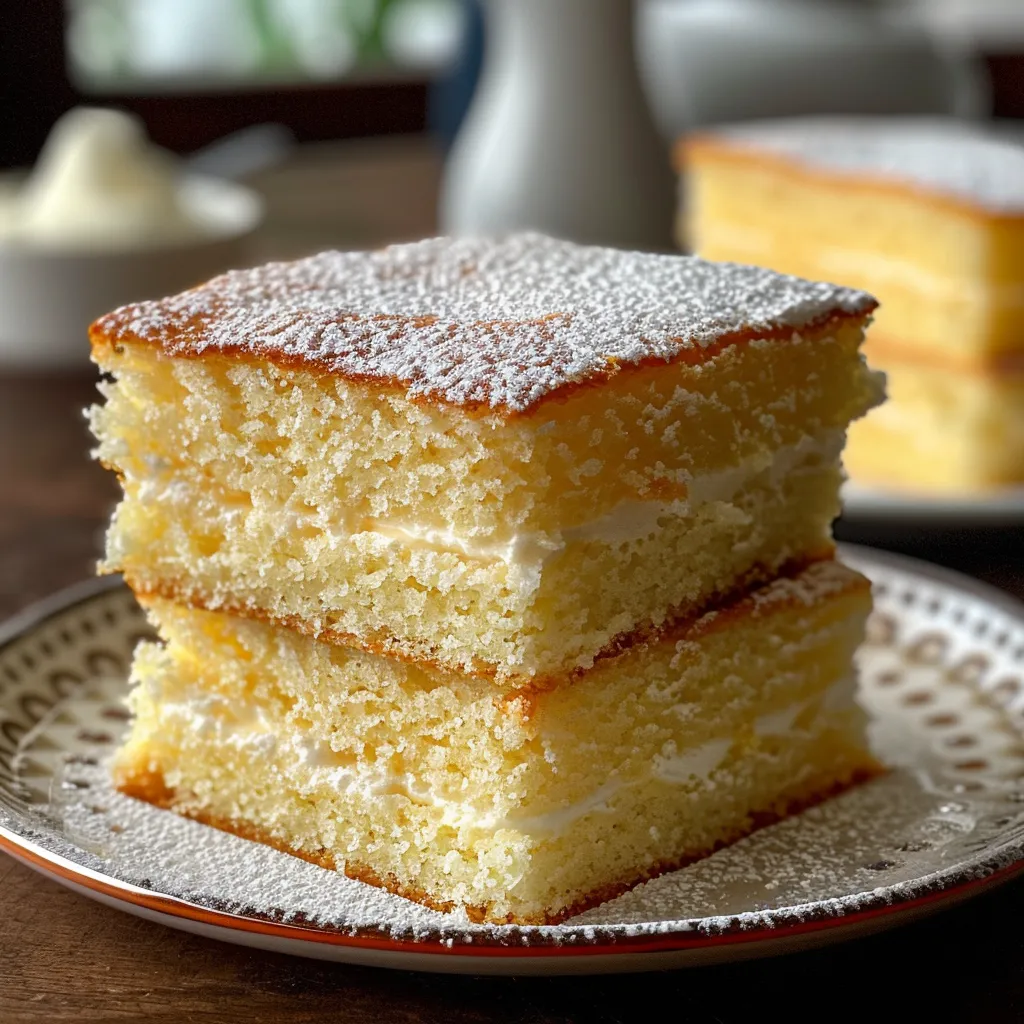
Ready to bake? Let’s walk through the steps to create this heavenly cake:
- Preheat the oven to 180°C (350°F).
- Beat the butter and sugar together in a bowl until frothy and creamy.
- Add the eggs: Crack them into the butter mixture, mixing well until combined.
- Incorporate vanilla essence: Stir in the vanilla for a flavor boost.
- Sift the dry ingredients: In another bowl, combine maida, salt, baking powder, and baking soda. Sift them together to aerate.
- Fold the dry mix into the wet ingredients gently with a spatula until just combined.
- Prepare the cake tin: Grease and flour your cake tin, then pour in the batter.
- Smooth the surface with a spatula before placing it in the oven.
- Bake for 45 minutes or until golden brown and a skewer inserted in the center comes out clean.
- Cool: Let it cool in the tin for a few minutes before transferring it to a wire rack to cool completely.
Pro Tips for Perfecting Your Cake
To ensure your vanilla sponge cake turns out perfectly every time, consider these expert tips:
- Room Temperature Ingredients: Using eggs and butter at room temperature helps create a smooth batter and better rise.
- Don’t Overmix: Gently fold the ingredients together to keep the batter light and airy.
- Check Oven Temperature: Ensure your oven is calibrated correctly; an oven thermometer can help with accuracy.
- Use a Cake Tester: Insert a toothpick or skewer into the center of the cake; it should come out clean when done.
- Let It Cool Completely: Cooling the cake completely before icing will prevent melting and sliding.
- Experiment with Flavors: Add lemon zest, almond extract, or cocoa powder for a unique twist on the classic.
- Layer It Up: For an extra treat, slice the cake horizontally to create layers filled with whipped cream or fruit.
- Decorate with Fresh Fruit: Top your cake with seasonal fruits for a fresh and colorful presentation.
Common Mistakes and Troubleshooting
Even seasoned bakers can run into issues. Here’s how to troubleshoot common problems:
- Dense Cake: This could be due to overmixing or using cold ingredients. Ensure everything is at room temperature and mix just until combined.
- Flat Cake: Make sure your baking powder is fresh and that you didn’t open the oven door too early.
- Cracked Surface: This can happen if the oven temperature is too high. Bake at the recommended temperature and avoid opening the door frequently.
- Sticky Bottom: Ensure you properly grease and flour your cake tin to prevent sticking.
- Dry Cake: This can result from overbaking. Check your cake a few minutes before the suggested baking time.
Variations and Substitutions
Switch things up by trying one of these variations:
- Citrus Burst: Add the zest of a lemon or orange to the batter for a bright flavor.
- Chocolate Delight: Incorporate cocoa powder into the batter for a chocolate version of the vanilla sponge cake.
- Almond Infusion: Substitute vanilla essence with almond extract for a nutty twist.
- Fruit-Infused Cake: Fold in berries or diced apples to add moisture and flavor.
Storage and Make-Ahead Instructions
Want to prepare your cake ahead of time? Here’s how to keep it fresh:
- Room Temperature: Store your cooled cake in an airtight container at room temperature for up to 3 days.
- Refrigeration: If frosted, keep it in the fridge for up to a week. Just be sure to cover to prevent drying out.
- Freezing: Wrap the cooled, un-frosted cake tightly in plastic wrap and aluminum foil. It can be frozen for up to 3 months. Allow it to thaw in the fridge before serving.
- Make Ahead: Bake the cake a day ahead, wrap it up, and let it sit overnight to enhance its flavor.
Comprehensive FAQ
Let’s tackle some frequently asked questions about baking a vanilla sponge cake:
- Can I use whole wheat flour?: Yes! Whole wheat flour can be substituted, but the texture may differ slightly.
- What is the difference between sponge cake and vanilla cake?: Sponge cake is lighter and fluffier, while vanilla cake is denser due to added fats.
- Can I add baking powder?: The recipe already includes baking powder; adding more could affect the cake’s rise.
- How do I know when my cake is done?: A clean skewer inserted into the center indicates doneness.
- How can I keep my cake moist?: Use room temperature ingredients and avoid overbaking.
- Can I make this recipe gluten-free?: Absolutely! Substitute with a 1:1 gluten-free flour blend.
- How should I decorate my cake?: Try buttercream, whipped cream, or fresh fruits for a beautiful finish.
- What can I serve with my cake?: Pair it with tea, coffee, or a scoop of ice cream for a delightful treat.
Nutrition Tips and Dietary Adaptations
For those mindful of their diet, here are some adaptations:
- Reduce Sugar: Cut down on sugar by using natural sweeteners like honey or maple syrup.
- Butter Alternatives: Use coconut oil or unsweetened applesauce for a lighter cake.
- Egg Substitutes: Flax eggs or applesauce can replace eggs for a vegan version.
- Portion Control: Cut smaller slices to enjoy the cake while managing calorie intake.
Equipment Recommendations
To make your baking experience seamless, here’s what you’ll need:
- Mixing Bowls: A set of stainless steel or glass bowls for mixing ingredients efficiently.
- Electric Mixer: A hand mixer or stand mixer will save time and effort.
- Cake Tin: Use a round or square cake tin, preferably non-stick.
- Spatula: A rubber spatula for folding ingredients gently.
- Cooling Rack: Essential for cooling your cake evenly without trapping moisture.
Serving Suggestions
Now that your vanilla sponge cake is ready, here are some delightful ways to serve it:
- Whipped Cream: Serve with freshly whipped cream for a classic pairing.
- Fruit Compote: A homemade berry compote adds a tangy contrast to the sweetness.
- Chocolate Ganache: Drizzle warm ganache over the top for a decadent finish.
- Ice Cream: Pair a slice with vanilla or chocolate ice cream for a delightful dessert.
In conclusion, baking a vanilla sponge cake is not just about following a recipe; it’s about creating memories, sharing joy, and celebrating life. So gather your ingredients, invite your loved ones, and let’s whip up some magic in the kitchen! Thank you for joining me on this delicious adventure; I hope this cake brings warmth and sweetness to your gatherings, just as it has for my family. Happy baking!
Vanilla Sponge Cake
Ingredients
Main Ingredients
- 125 g Plain Flour (Maida)
- 125 g Butter
- 125 g Powdered Sugar
- 2 pcs Eggs
- 1.5 tsp Baking Powder
- 0.25 tsp Baking Soda
- 0.33 tsp Vanilla Essence
Additional Ingredients
- 25 g Butter
- 25 g Icing Sugar
- 0.125 tsp Vanilla Essence
Instructions
- Preheat oven to 180°C. Beat butter and powdered sugar until frothy.
- Add eggs one at a time and mix well. Stir in vanilla essence.
- Sieve together flour, salt, baking powder, and baking soda. Fold dry ingredients into wet mixture.
- Pour batter into a greased and floured cake tin. Bake for 45 minutes until golden and a skewer comes out clean.
- Cool the cake before removing from tin and transferring to a wire rack.
