
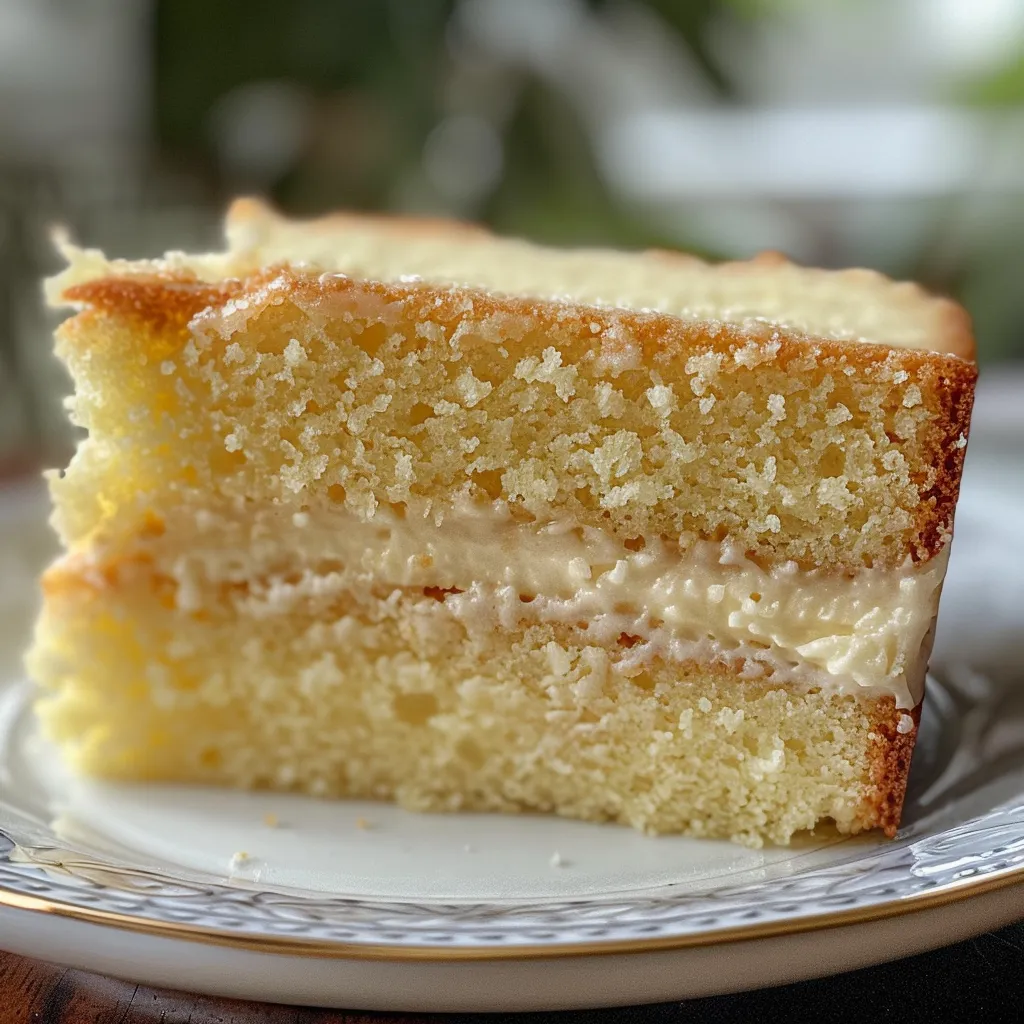
Unlock the Secrets to the Perfect Vanilla Sponge Cake
Welcome, dear friends! Today, we’re diving into the delightful world of baking with my Vanilla Sponge Cake Recipe that promises to turn every occasion into a celebration. Whether it’s a birthday party, a casual tea gathering, or a cozy dessert at home, this cake is your ticket to joy. With its light and airy texture, rich vanilla aroma, and the comforting warmth of home-baked goodness, this recipe is sure to become a cherished favorite in your kitchen.
Let’s embark on this culinary adventure together, as we explore the ingredients, techniques, and tips needed to create a sponge cake that not only tastes divine but also looks stunning!
Why You’ll Love This Recipe
- Versatile Delight: This vanilla sponge cake is incredibly adaptable. You can serve it plain, dress it up with frosting, or layer it with fresh fruits for a delightful twist.
- Quick and Simple: With easy-to-follow steps and common ingredients, you can whip up this cake in under an hour, making it perfect for last-minute celebrations.
- Perfect Texture: Thanks to the careful whipping of eggs and folding the batter, you’ll achieve a light, fluffy sponge that everyone will love.
- Aromatic Bliss: The addition of pure vanilla extract ensures that every bite is infused with a warm, comforting flavor that brings nostalgia and joy.
- Endless Variations: From chocolate ganache to fresh berry toppings, the possibilities are endless. This recipe allows your creativity to shine!
Ingredients You Need
Gathering quality ingredients is key to a successful sponge cake. Here’s what you’ll need:
- 200 g (¾ cup + 2 tbsp) unsalted butter: Make sure it’s softened to room temperature for easy mixing.
- 200 g (1 cup) granulated sugar: This sweetener not only flavors the cake but helps create its structure.
- 4 large eggs: Ensure these are at room temperature; they whip better and create a fluffier texture.
- 1 ½ tsp pure vanilla extract: The heart of this recipe, providing that rich vanilla flavor.
- 190 g (1 ½ cups) cake flour: This type of flour is lighter than all-purpose and yields a tender crumb.
- 1 tbsp (10 g) cornstarch: Helps to create a softer texture in the cake.
- 1 ½ tsp baking powder: This is your leavening agent, ensuring the cake rises beautifully.
- ¼ tsp salt: Enhances the flavors of all your ingredients.
How to Make Vanilla Sponge Cake
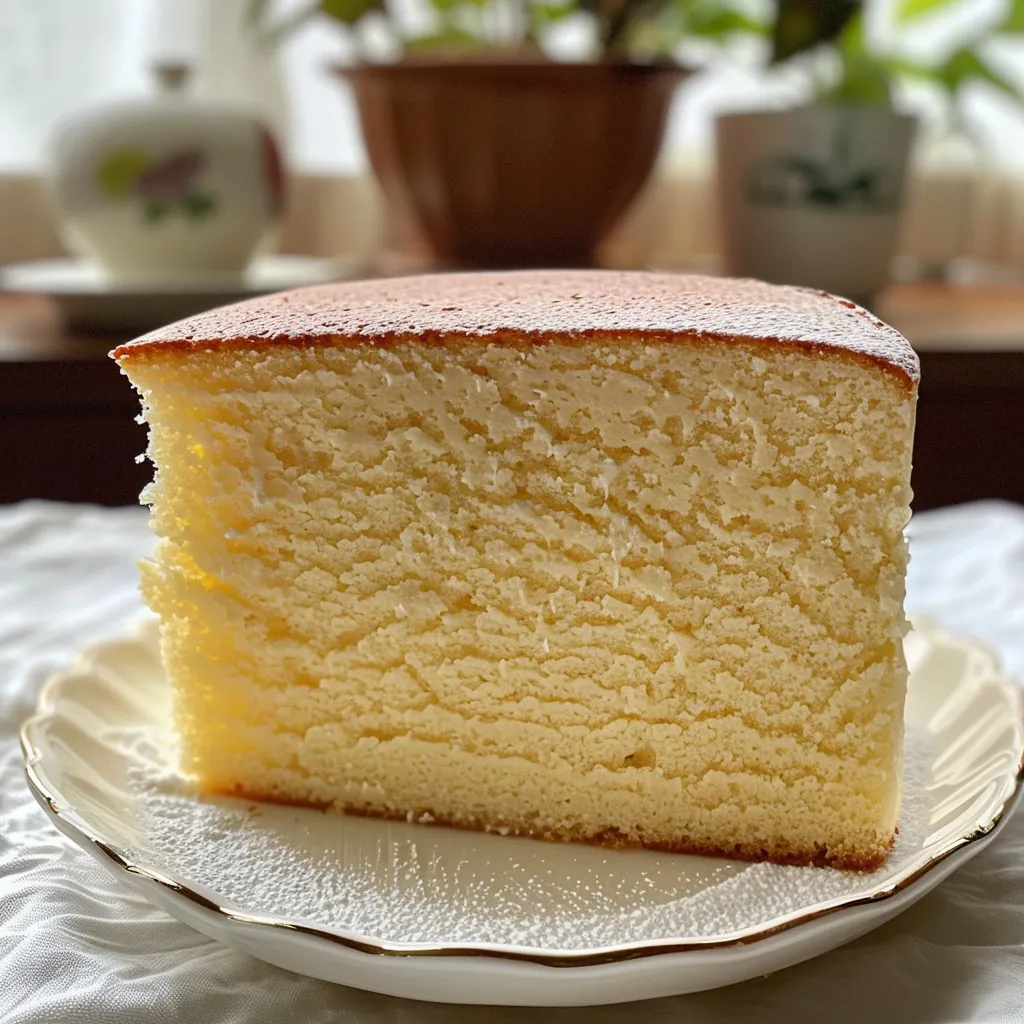
Let’s get into the fun part: baking! Follow these steps for a successful vanilla sponge cake:
- Preheat the Oven: Preheat your oven to 329°F (165°C) and line two 8-inch (20 cm) cake pans with parchment paper at the bottom.
- Sift Dry Ingredients: Sift together the cake flour, baking powder, and salt in a bowl. This aerates the flour and ensures even mixing.
- Beat Butter and Sugar: In a stand mixer with the whisk attachment, beat the softened butter and sugar on medium-high speed for about 5 minutes until the mixture is pale and creamy.
- Add Eggs and Vanilla: Reduce the speed and add the vanilla extract. Now, add the eggs one at a time, mixing for about 1 minute between each addition.
- Whip Until Fluffy: Increase the mixer speed to high and whip the mixture for 5 minutes until it doubles in volume and is fluffy.
- Combine Wet and Dry Ingredients: Stop the mixer and gently fold in the dry ingredients until the batter is smooth and lump-free.
- Divide and Bake: Divide the batter evenly between the two prepared pans. Bake for approximately 30 minutes. Avoid opening the oven during baking!
- Check for Doneness: Insert a toothpick into the center; it should come out clean. If needed, add 5 more minutes of baking time.
- Cool the Cakes: Allow the cakes to cool in the pans for a few minutes before unmolding them onto a wire rack to cool completely.
- Level the Tops (Optional): For cleaner layers, you can level the tops of the cakes while they are slightly warm.
Pro Tips for the Best Results
To ensure your vanilla sponge cake turns out perfectly, consider these tips:
- Room Temperature Ingredients: Make sure all your ingredients, especially eggs and butter, are at room temperature. This promotes even mixing and better texture.
- Do Not Overmix: When folding in dry ingredients, do so gently to avoid deflating the batter.
- Use a Kitchen Scale: For accuracy, weigh your ingredients instead of measuring by volume, especially flour.
- Check Cake Early: Ovens can vary; start checking your cake a few minutes before the suggested baking time.
- Cool Completely: Ensure your cake layers are completely cool before frosting to prevent melting.
- Experiment with Flavors: Feel free to enhance your cake with citrus zest or flavored extracts for a unique twist.
- Keep an Eye on the Oven: Baking is a science; avoid opening the oven door too soon to maintain a consistent temperature.
- Use Fresh Ingredients: Ensure your baking powder is fresh for the best rise.
- Layer with Care: When stacking layers, use a cake leveler for uniformity.
Common Mistakes and Troubleshooting
Even the best bakers face challenges. Here are some common pitfalls and how to avoid them:
- Cake Did Not Rise: Ensure your baking powder is fresh and that you whipped the eggs adequately.
- Dense Texture: Overmixing the batter can lead to density. Fold gently!
- Cracked Top: This could happen from baking at too high a temperature. Keep the oven temperature steady.
- Sponge Cake is Dry: If overbaked, the cake can dry out. Keep an eye on it and check for doneness early.
Variations & Substitutions
While this vanilla sponge cake is delicious as-is, here are some fun variations to try:
- Chocolate Sponge Cake: Substitute half of the cake flour with cocoa powder for a rich chocolate flavor.
- Citrus Zest Addition: Add zest from lemons or oranges to the batter for a refreshing citrus twist.
- Almond Vanilla Sponge: Replace half of the vanilla extract with almond extract for a nutty flavor.
- Fruit-Infused Cake: Fold in fresh berries or diced peaches into the batter for a fruity surprise.
Storage and Make-Ahead Instructions
Your sponge cake can be made in advance! Here’s how to store it:
- Room Temperature: Store covered in an airtight container for up to 3 days.
- Refrigerator: If frosted, keep the cake in the fridge for up to a week. Wrap it tightly in plastic wrap.
- Freezing: You can freeze the layers (unfrosted) for up to 3 months. Wrap each layer in plastic wrap and then in aluminum foil.
- Thawing: Thaw in the refrigerator overnight before frosting.
Comprehensive FAQ
Here are some frequently asked questions to guide you further:
- Can I use all-purpose flour instead of cake flour? Yes, but the texture might be slightly denser.
- What can I substitute for eggs? For a vegan option, use flax eggs or applesauce.
- How do I prevent my sponge cake from sticking to the pan? Make sure to line the bottom with parchment paper and grease the sides.
- Can I make this cake gluten-free? Yes, use a gluten-free flour blend.
- Can I add baking powder to make it rise more? This recipe already includes baking powder; adding more could lead to a different texture.
- How long should I whip the eggs? Whip until the mixture doubles in volume and is light in color.
- What frosting pairs well with vanilla sponge cake? Buttercream, cream cheese frosting, or whipped cream are all excellent choices!
- Can I bake this in a different size pan? Yes, but adjust the baking time accordingly. A larger pan will require less time, while smaller pans may need more.
Nutritional Tips and Dietary Adaptations
This recipe can easily be adapted to suit various dietary needs:
- Gluten-Free: Use a gluten-free flour blend to make this recipe suitable for those with gluten sensitivities.
- Lower Sugar: Substitute granulated sugar with coconut sugar or a sugar alternative for a healthier option.
- Dairy-Free: Substitute butter with a plant-based alternative and use non-dairy milk if needed.
- Low-Calorie: Consider using a sugar substitute and reducing the amount of butter for a lighter version.
Equipment Recommendations
To achieve the best results, consider using the following equipment:
- Stand Mixer: A stand mixer makes the process easier, especially when whipping eggs and butter.
- 8-Inch Cake Pans: The right size ensures even baking and perfect layers.
- Parchment Paper: Essential for easy cake removal and preventing sticking.
- Offset Spatula: Great for spreading frosting evenly on your cake.
Serving Suggestions
Serve your vanilla sponge cake with a variety of accompaniments:
- Fresh Berries: Add a colorful touch and a burst of flavor with seasonal berries.
- Whipped Cream: A dollop of whipped cream adds a light, creamy texture.
- Chocolate Ganache: Drizzling warm chocolate ganache on top can elevate your cake to a new level of indulgence.
- Icing Sugar Dusting: A simple dusting of icing sugar can make your cake look elegant.
Thank you for joining me on this delicious journey of making the perfect vanilla sponge cake! I hope this recipe inspires you to gather your loved ones, create beautiful memories, and enjoy the simple pleasure of baking together. Remember, the kitchen is a place of joy, so grab your apron, turn up the music, and let’s bake some magic!
Vanilla Sponge Cake
Ingredients
Butter and Sugar
- 200 g unsalted butter, softened
- 200 g granulated sugar
- 4 large eggs, at room temperature
- 1.5 tsp pure vanilla extract
Dry Ingredients
- 190 g cake flour
- 10 g cornstarch
- 1.5 tsp baking powder
- 0.25 tsp salt
Instructions
- Preheat the oven to 165°C (329°F) and line two 8-inch (20 cm) cake pans with parchment paper.
- Sift the dry ingredients together and set aside.
- Beat softened butter and sugar on medium-high until pale and creamy, then add vanilla and eggs one at a time, mixing between each.
- Increase to high speed and whip until the mixture doubles in volume, about 5 minutes.
- Gently fold in dry ingredients, divide batter between pans, and bake for 30 minutes. Check with a toothpick for doneness.


